
Film photography is dumb.
Dumb in the sense that it’s an analog technology (had you going for a minute there).
There’s no metadata, there’s no magic eraser to remove a grouchy passer-by, and there’s no photo optimisation to fix your mistakes either. Digital is flexible and quick, and you can take as many snaps as you need until you get the right one.
On a film camera, you only get 36 snaps in a roll, and you can’t even look at them after you’ve taken them. Not to mention, you need to pay for:
a camera
film
someone else to develop and scan the snaps you take
Or (worse) do it all yourself and spend hours with your hands in dubious liquids in a spooky red room without any natural light. Seems like a lot of misery for something so trivial?
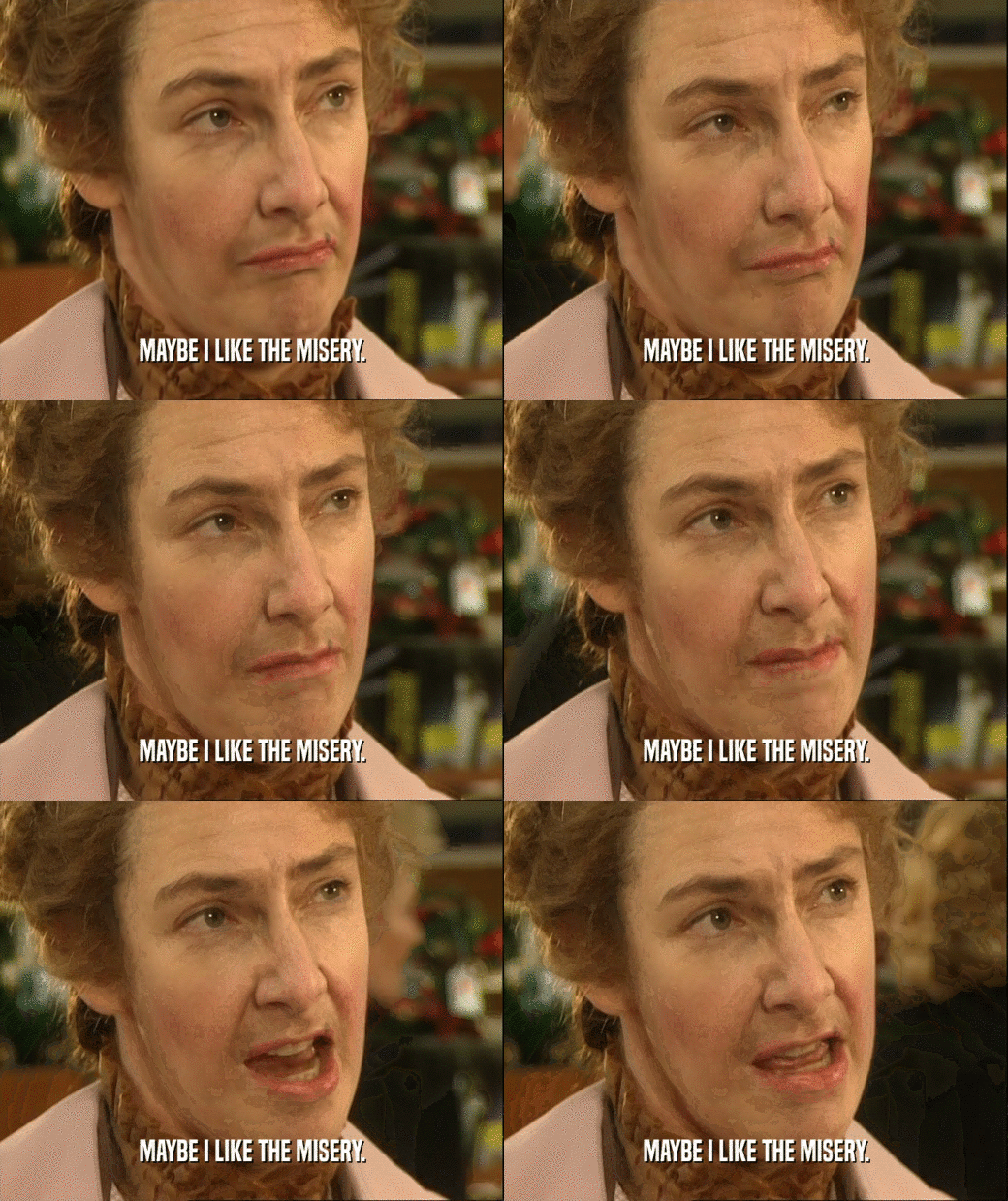
Showing my age with this Father Ted reference
Film photos look cool ok! And taking them is actually really easy. People in the 1890s were onto something and I’m not talking about the expansion of the railway and telegraph network. There’s something about seeing an image captured on film that convinces hoards of people around the globe to stick with this outdated technology despite its quirks. Maybe even the quirks are half of the reason why you might choose to shoot on film too. I did. The quirks are the point. Quirks forever ok!
In 2013, I went to university with a guy who grew up in a family with a Canon F1 that had been passed through his siblings and was now with him. I watched this guy take photos on this ancient (even in 2013) device and then take the rolls to the local photo shop (Jonathan’s Photo Warehouse in Dunedin, which is still there) and receive a CD (!) with his scanned and developed images.
He would look through them on the computers in our shared office space at Uni. Looking over at his screen one afternoon as he was doing this, I’d never seen anything like it before. I didn’t realise you could take photos that looked that good. My parents took film photos for years, but they didn’t look like this.
My favourite photo he’d taken was at the Flying Squid fish and chip shop, looking into the window at dusk with the neon sign illuminating him overhead. I wish I had a copy to look at, but in a way it is sort of better that it exists mainly in my mind, because I got incepted.
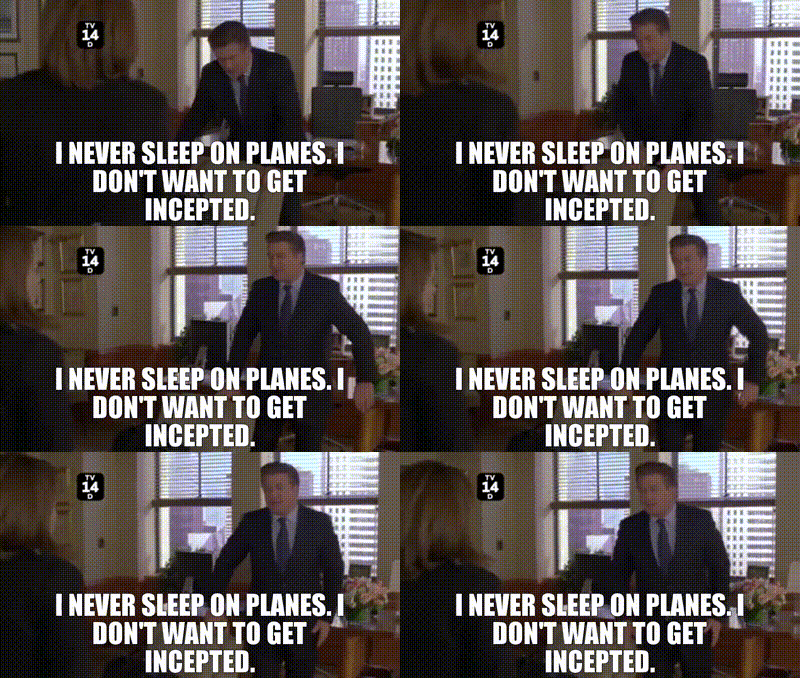
Showing my age with this 30 Rock reference
I wanted my photos to look like that. I had the classic millennial point-and-shoot that lived in the front pocket of my skinny jeans, but I wanted the analog alternative.
Sadly, I could not get my hands on one for a few more years. I was busy doing what I thought was important: my first proper job out of uni. Mucking around on film just wasn’t on the cards for me until 2016, when I decided to buy this:
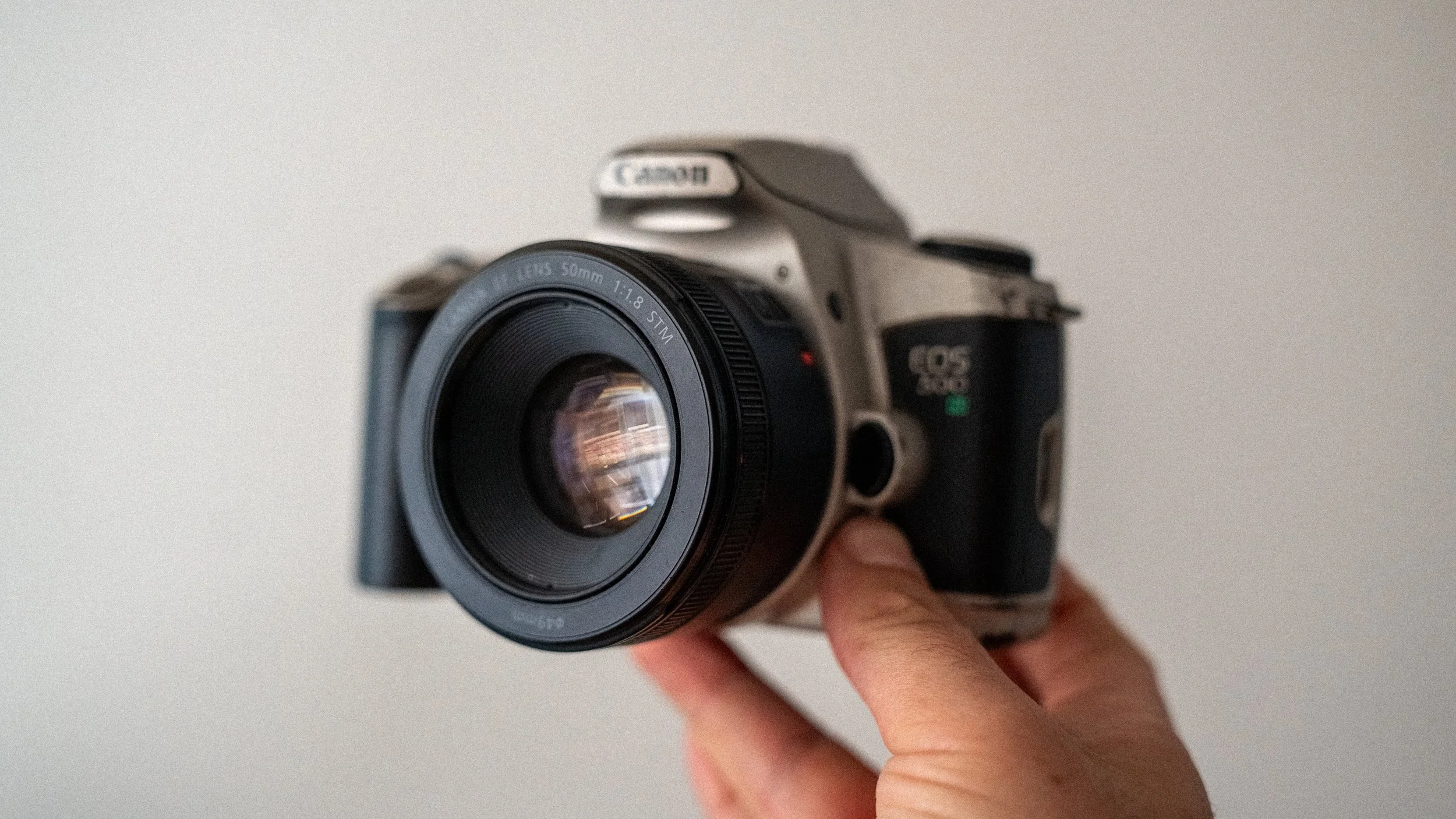
Ol’ faithful
Around 2010-2015, everyone had Canon lenses in their house. Even people who didn’t take photos had them. I guarantee that if you went to a garage sale anywhere in Australia and NZ you’d find some for sale. Particularly the ‘nifty 50’ 50mm lens (pictured above). In 2016, I had about 3 of these Canon lenses, and thought if I was going to get a film camera, then perhaps I could get one that could use the same lenses as I had already. I’d heard you could use the autofocus that these lenses were capable of in these cameras too. So I got one, and I got it for dirt cheap. $20 on trademe. And it still works.
It’s come along with me for 10 years worth of rambling, wrangling, gambling and um… perambulating:
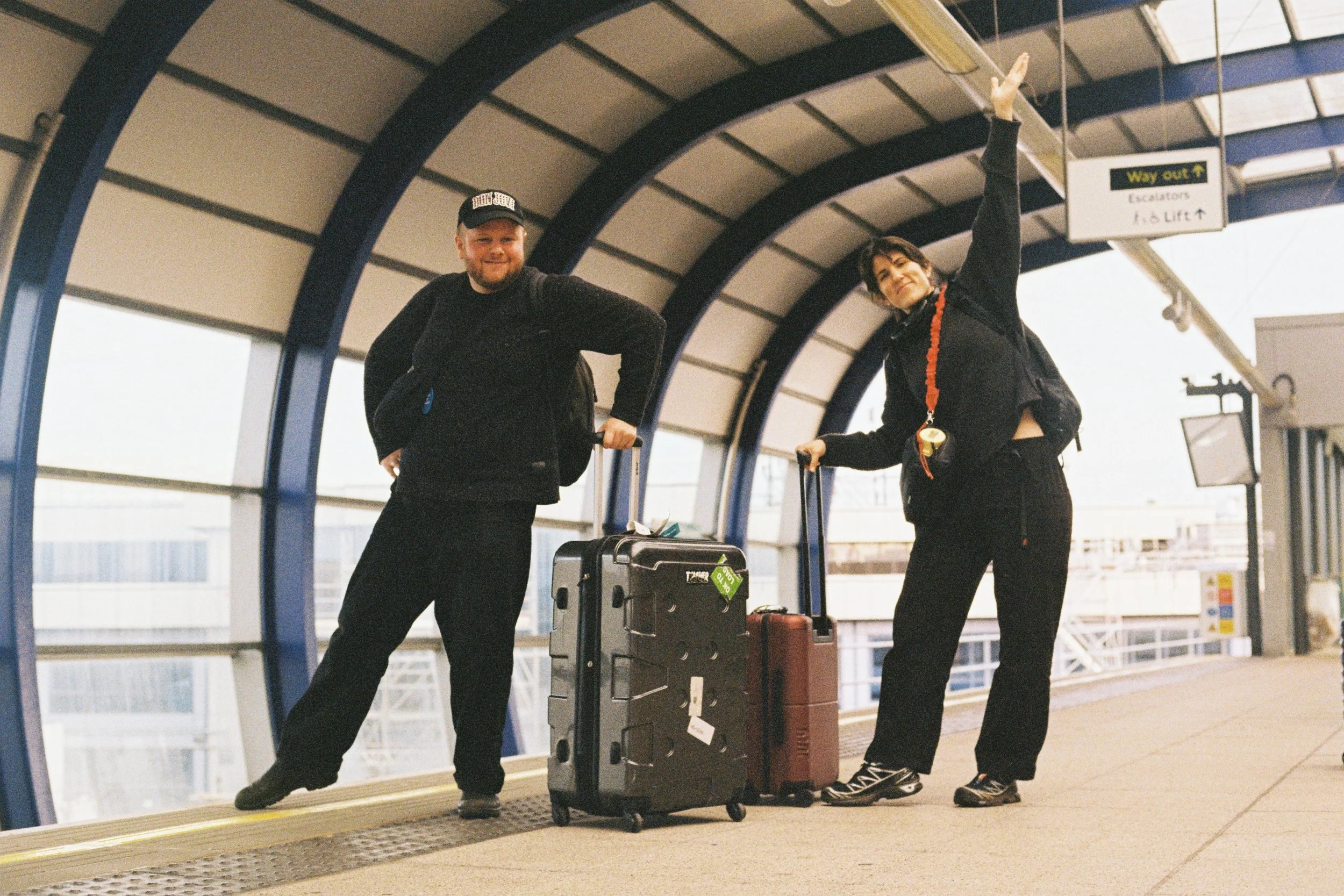
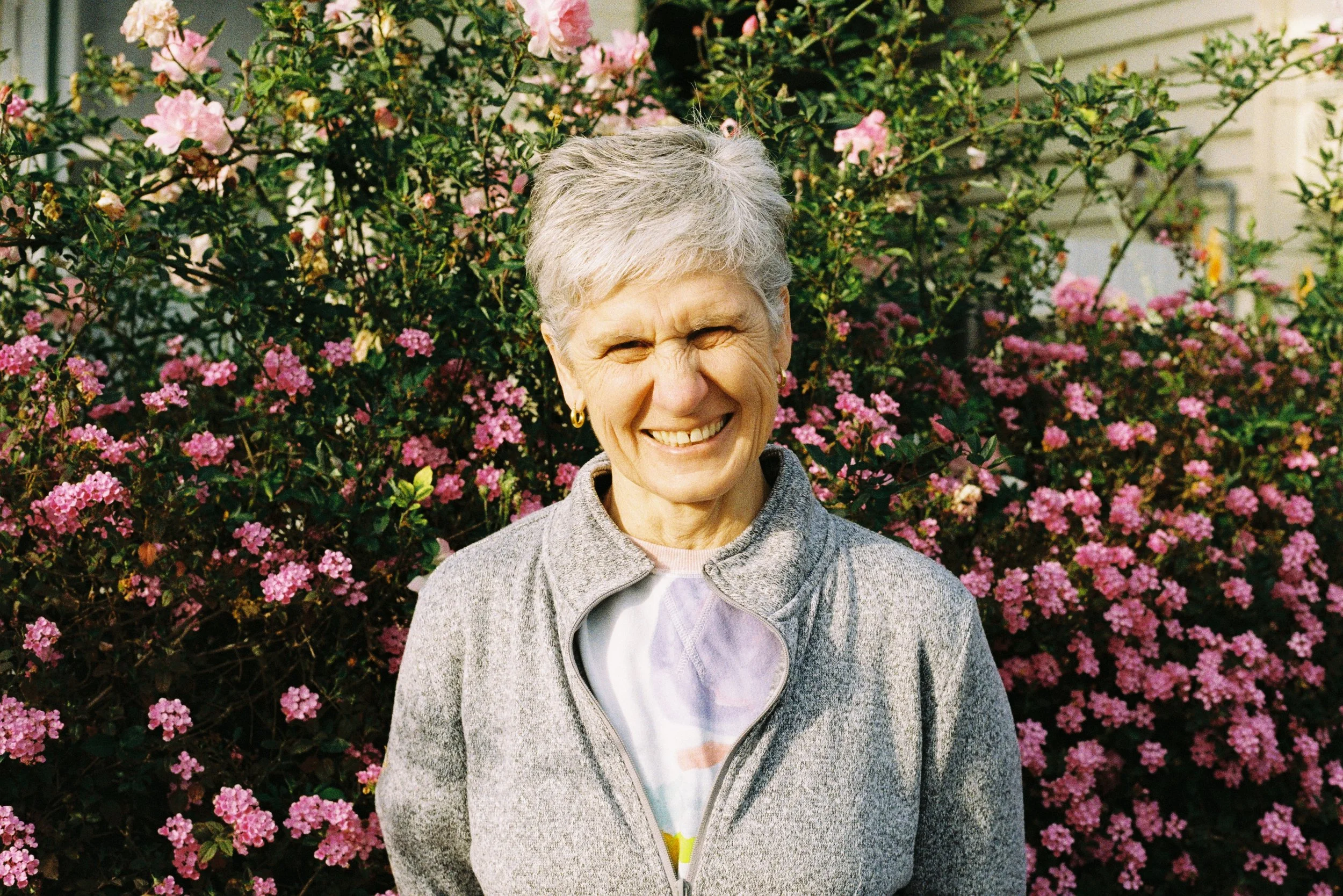
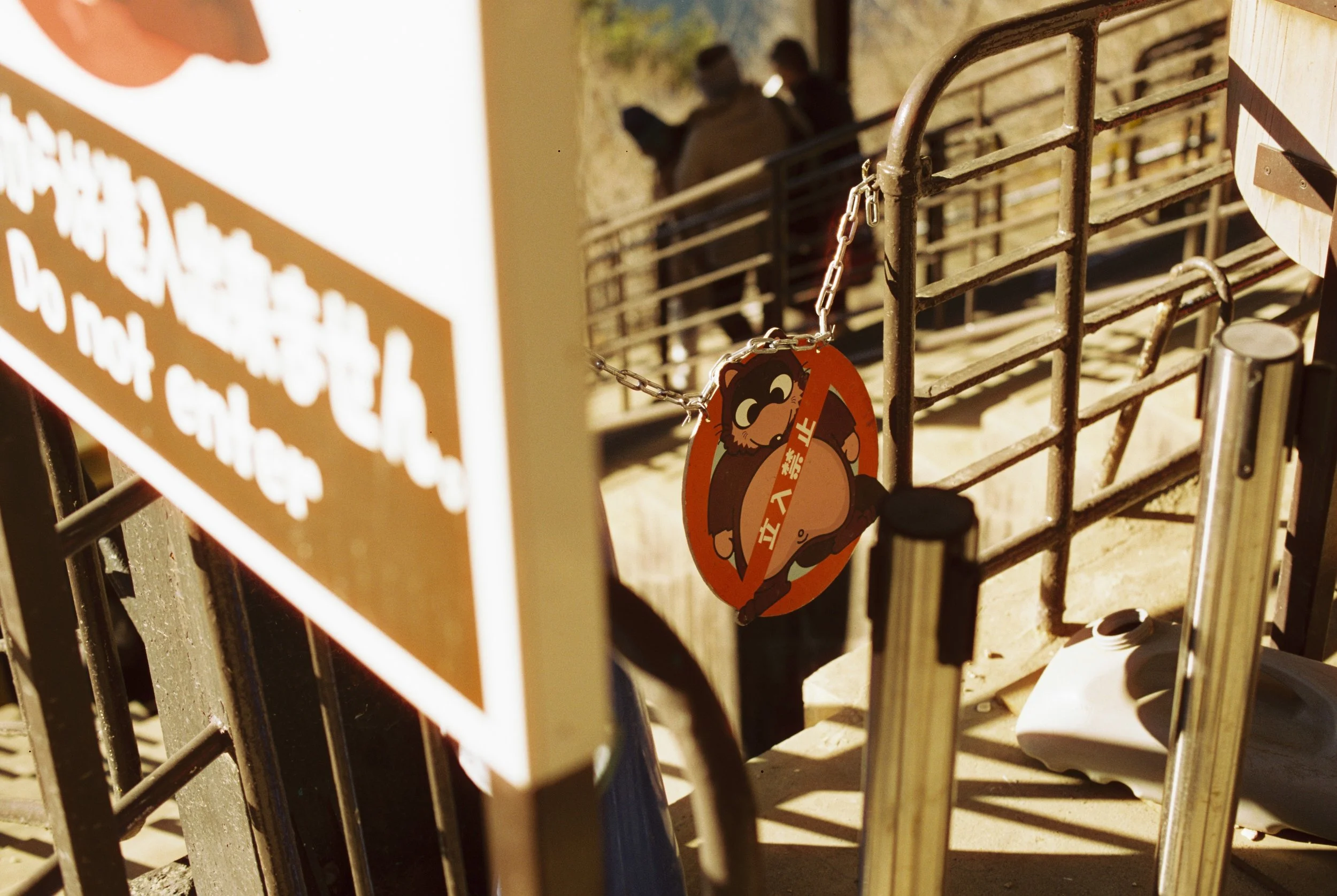
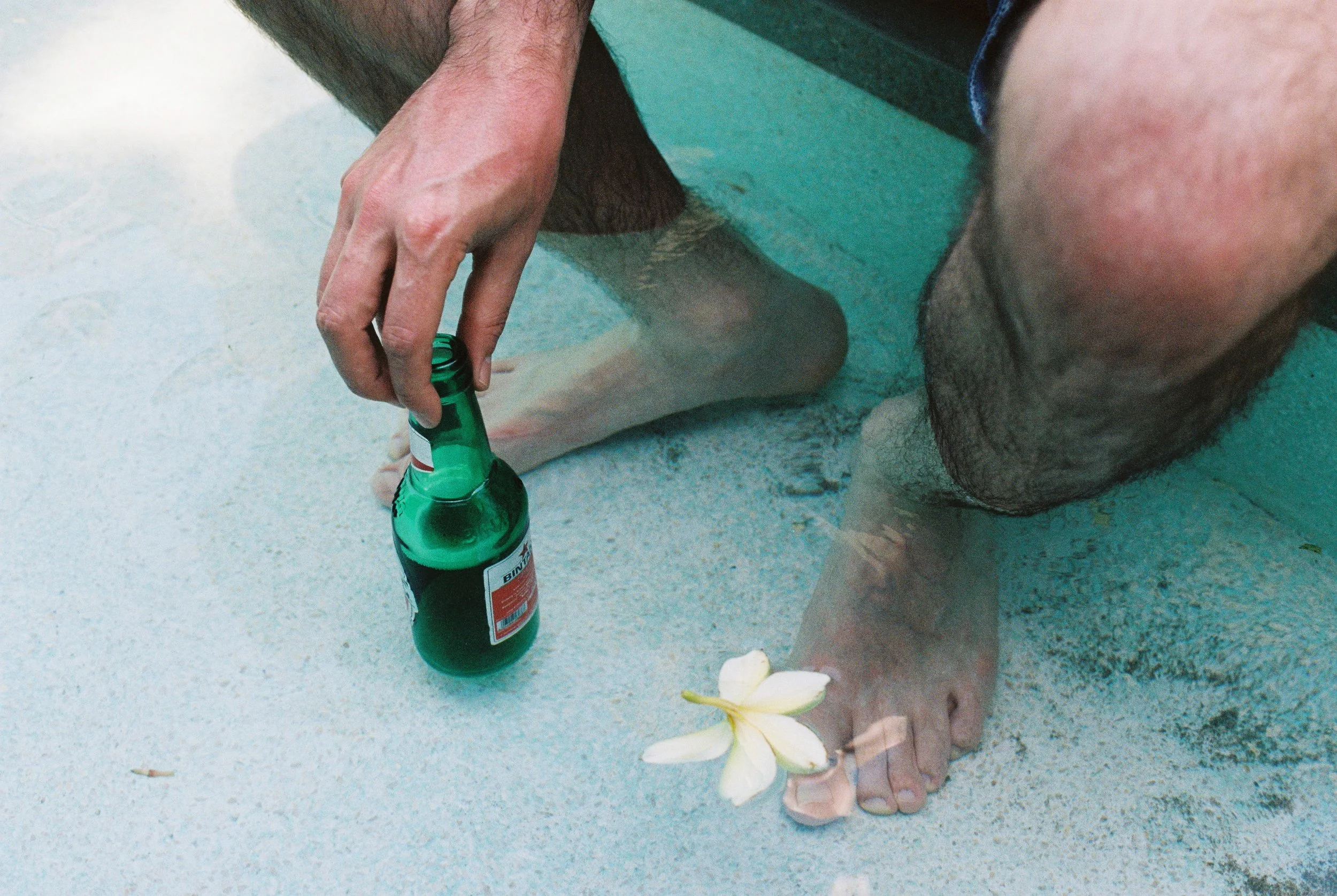
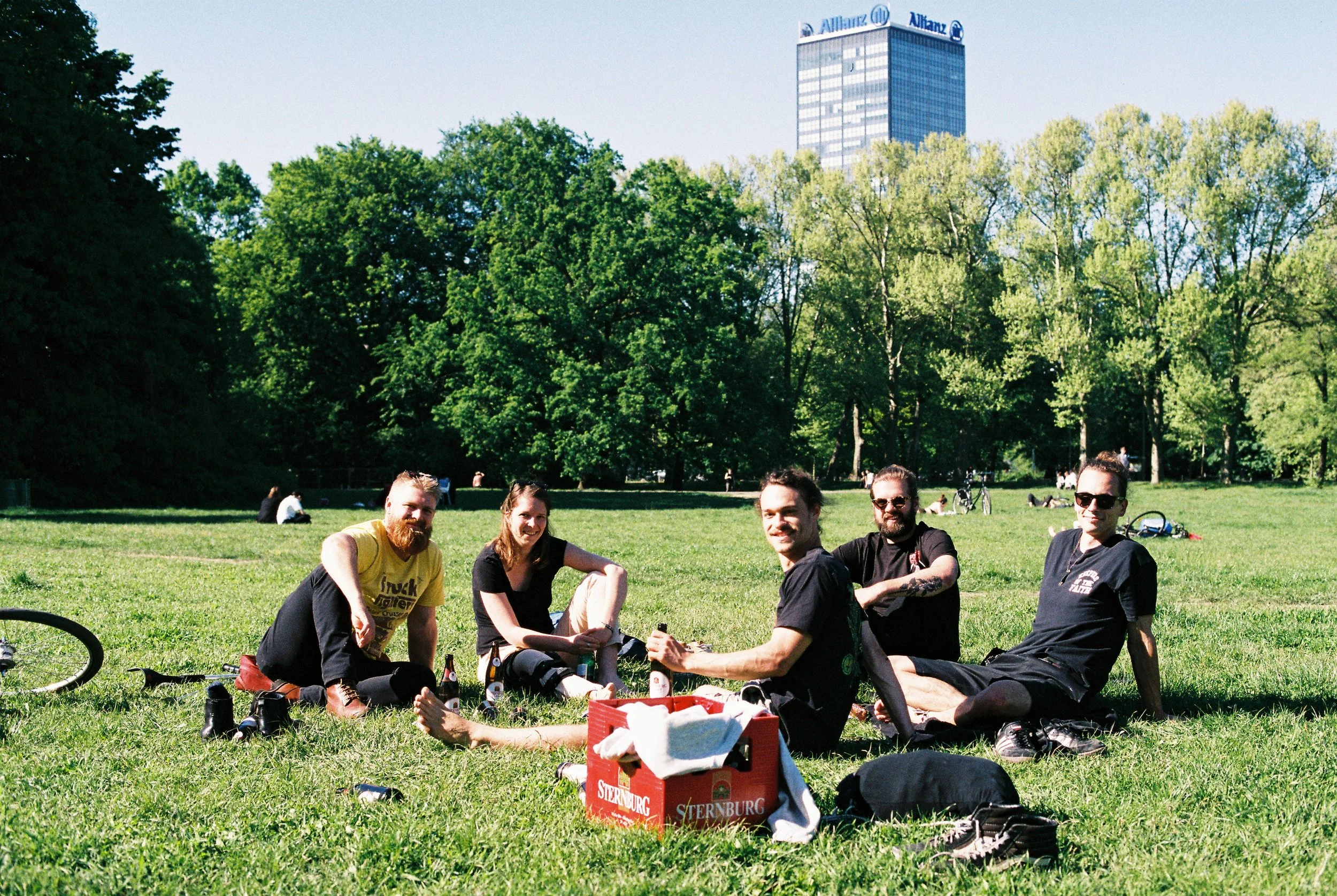
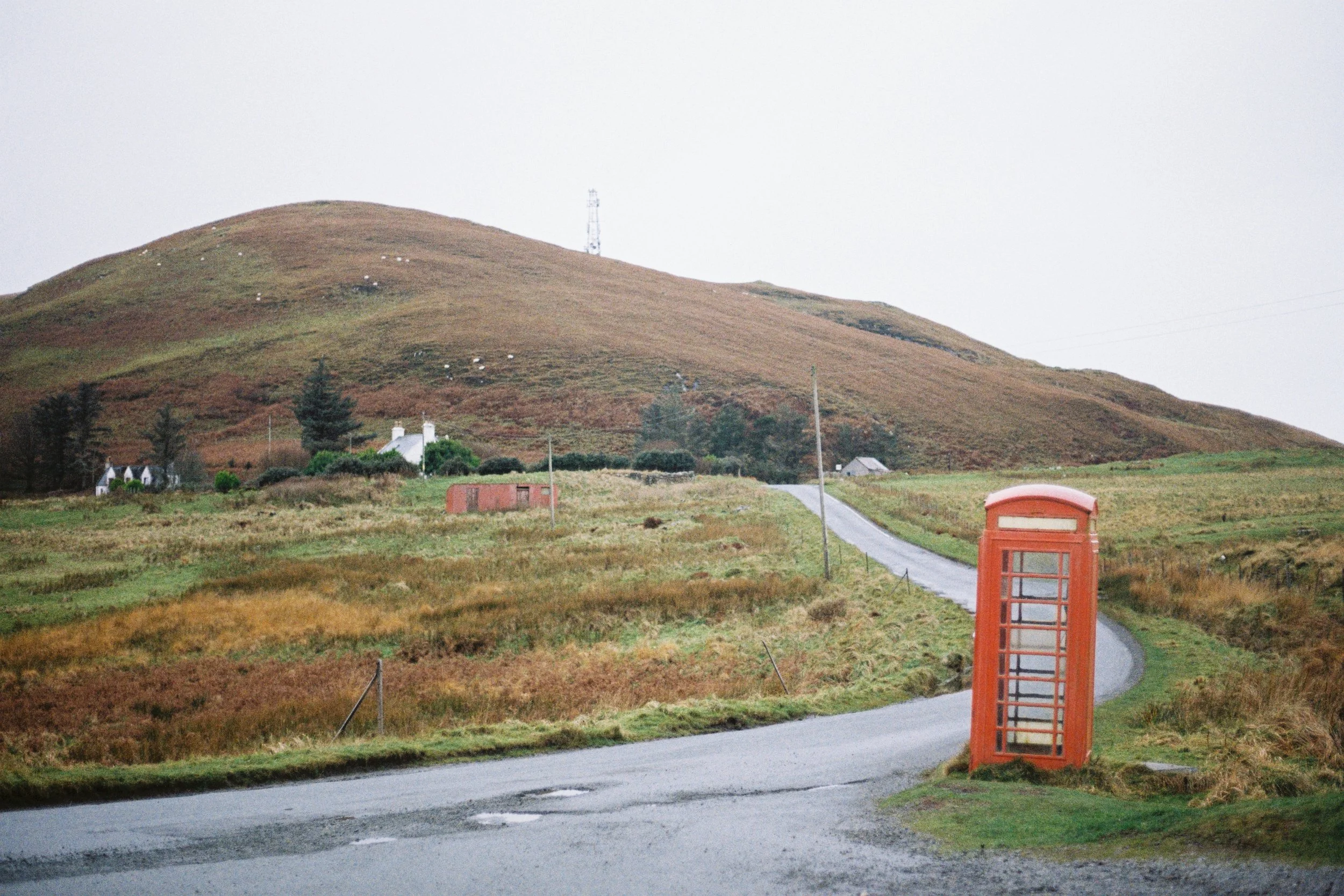
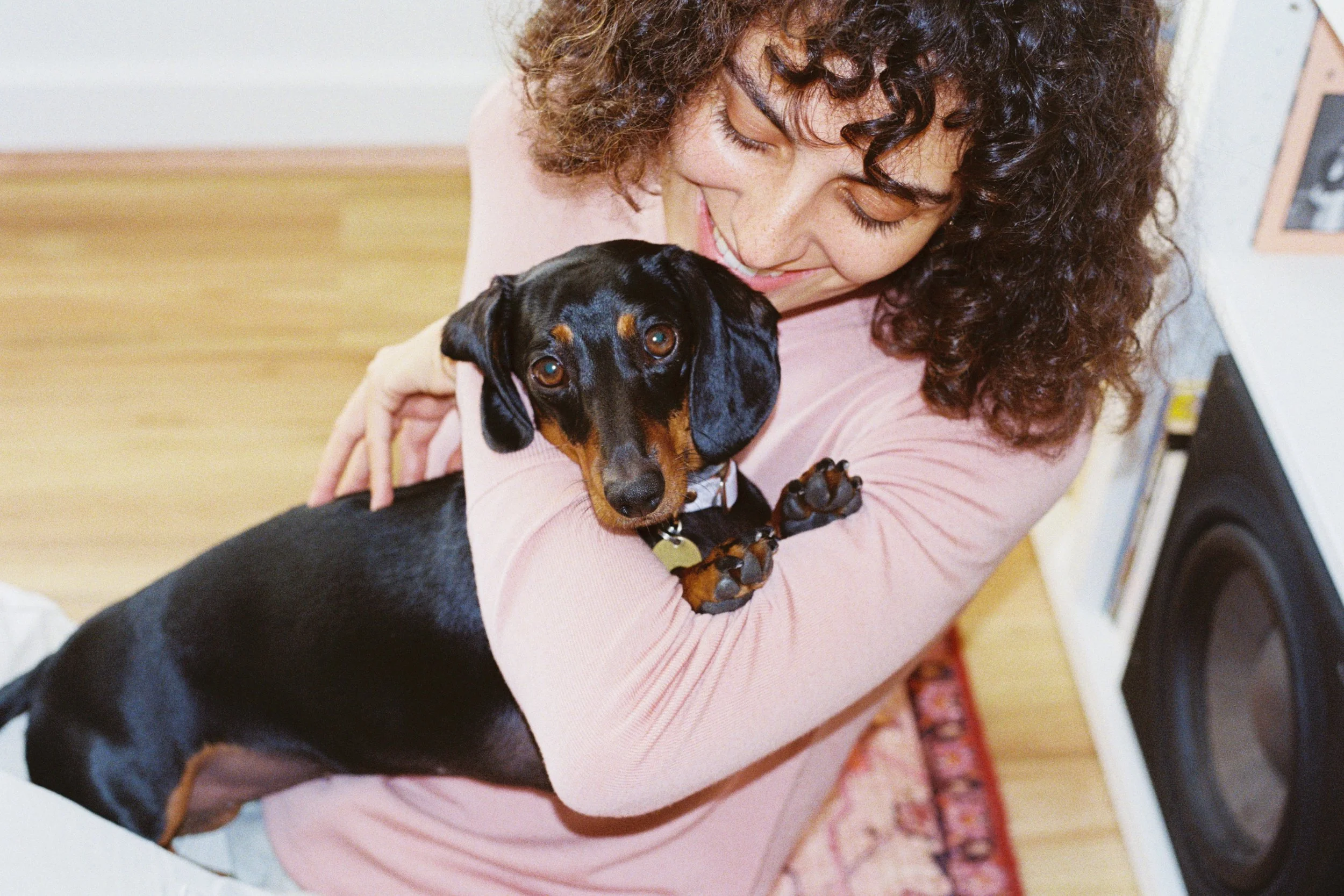
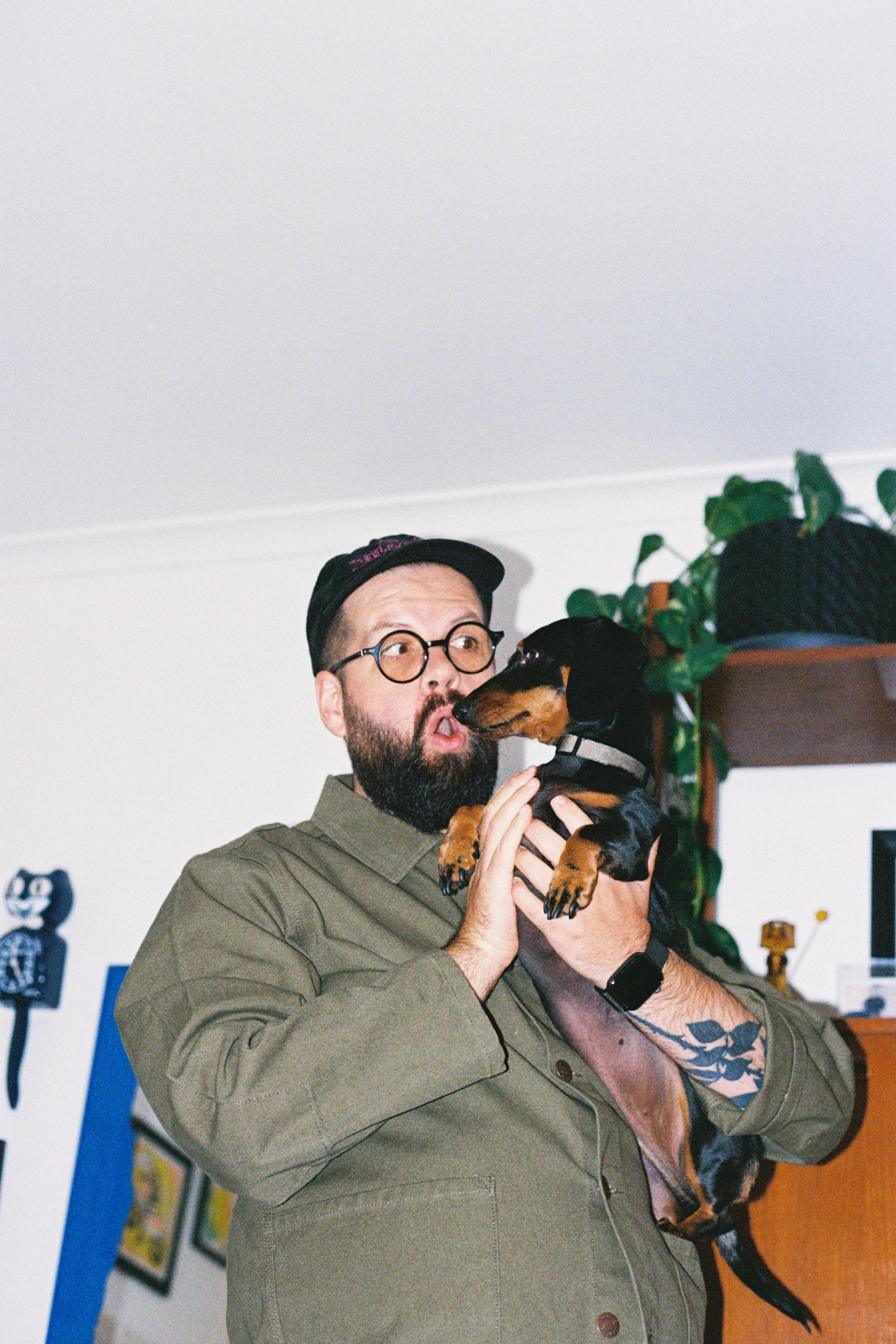
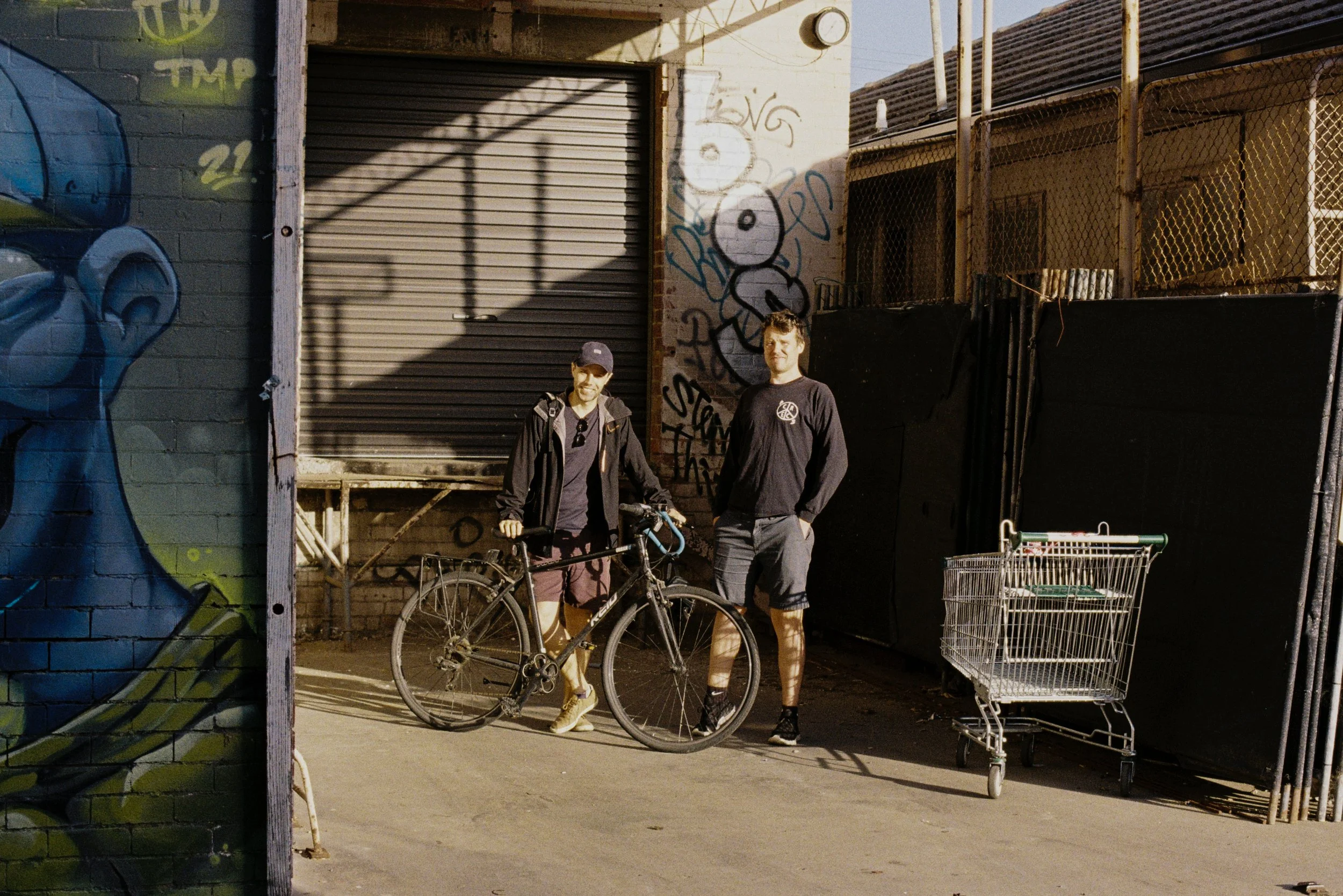
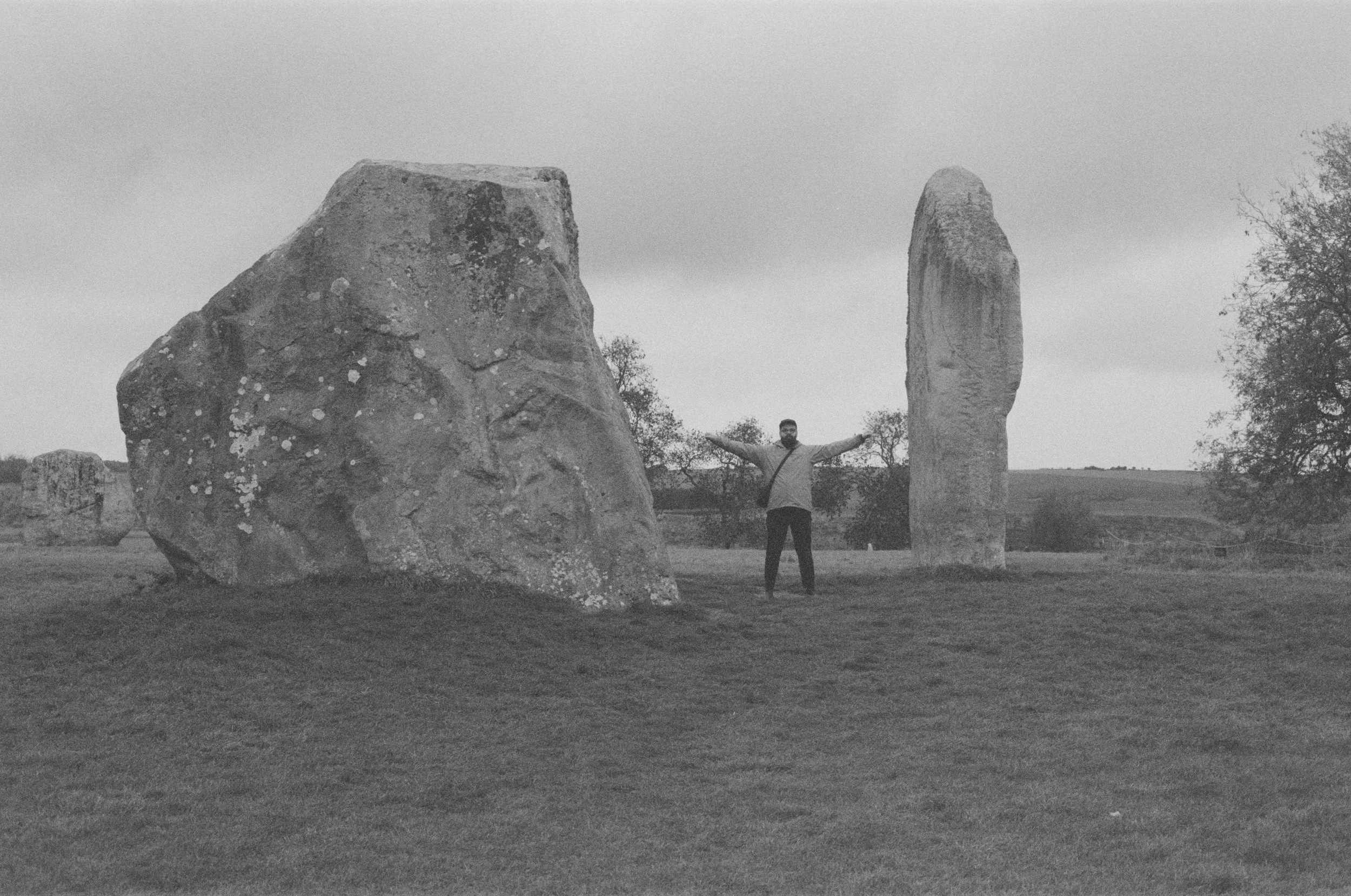
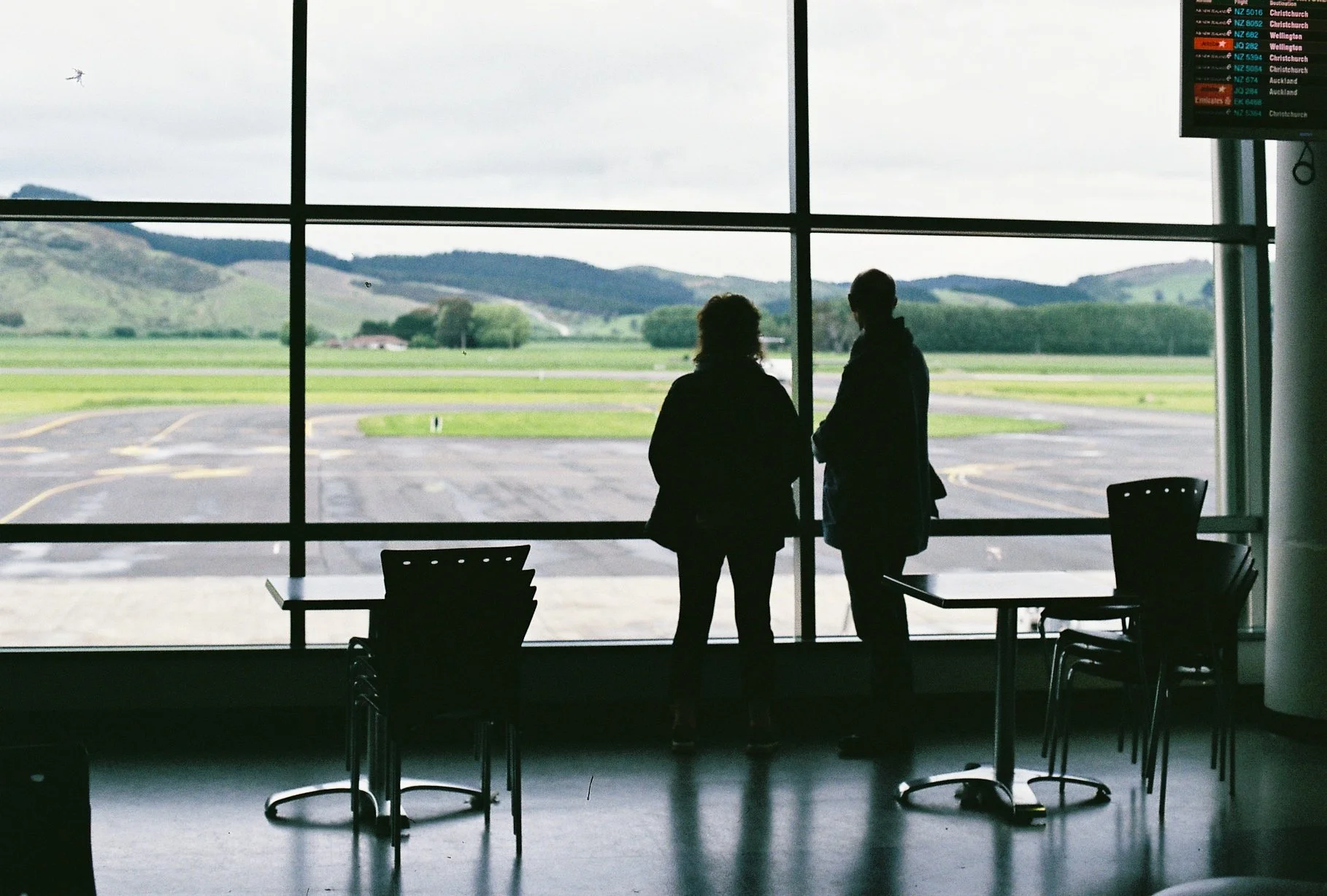
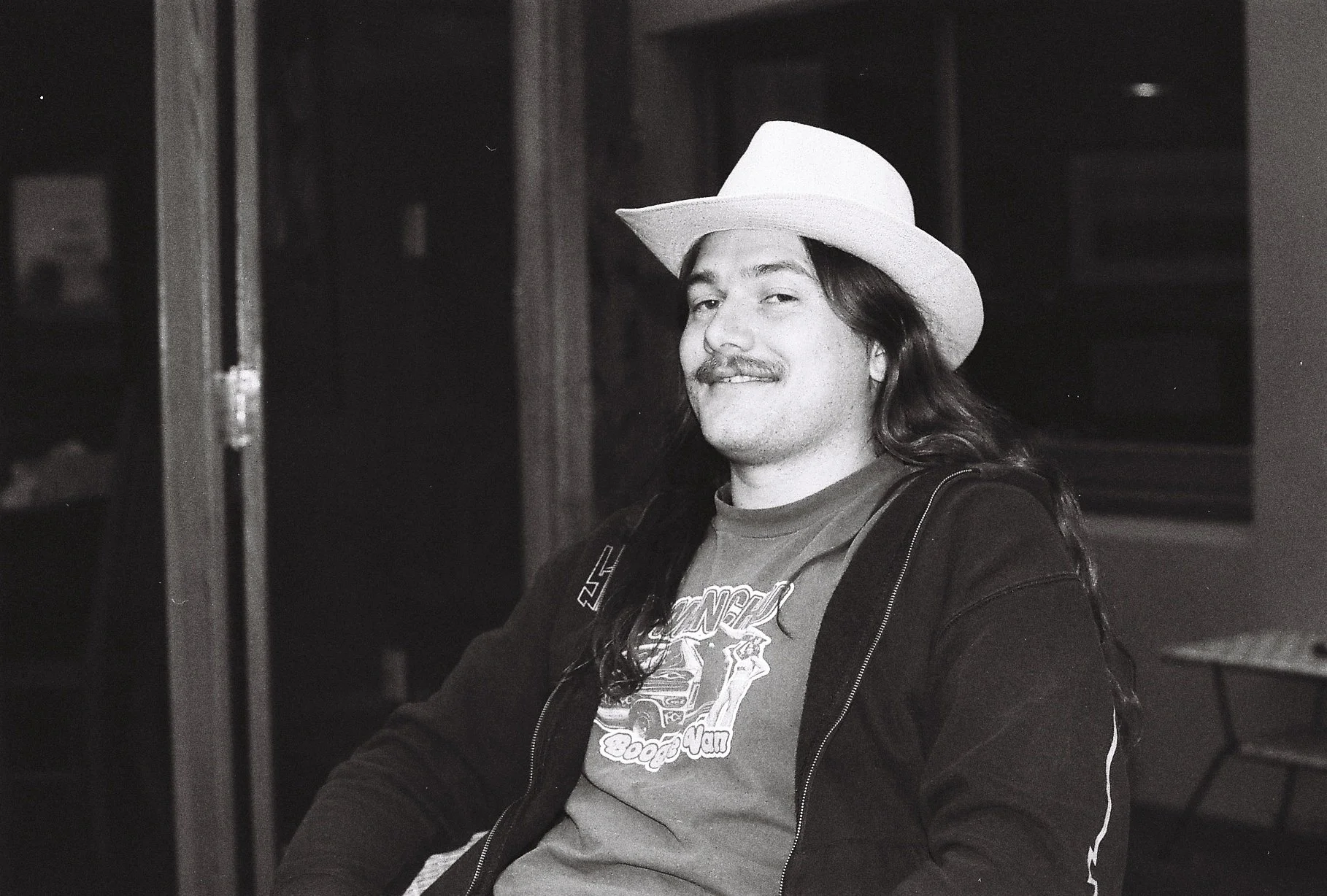
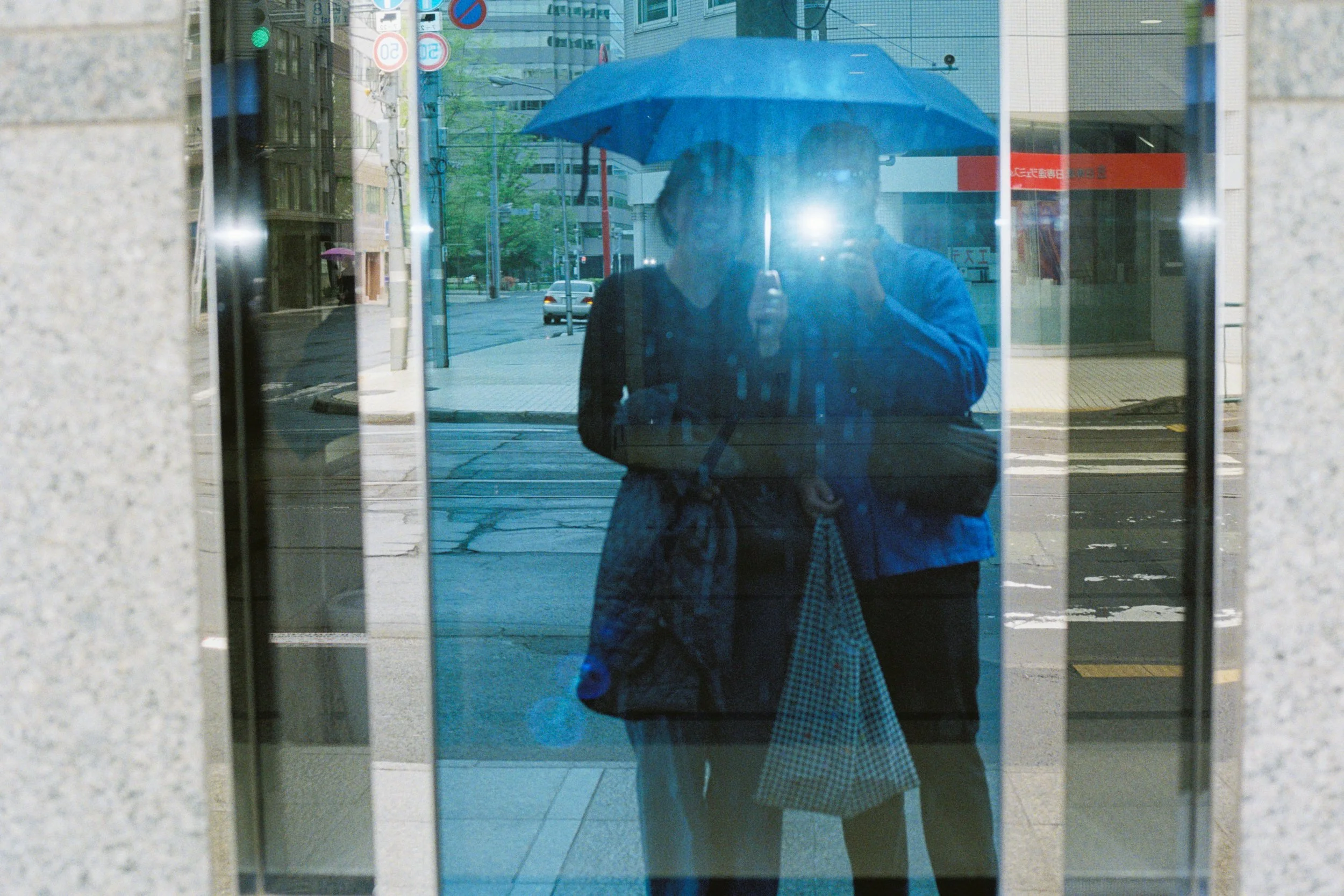
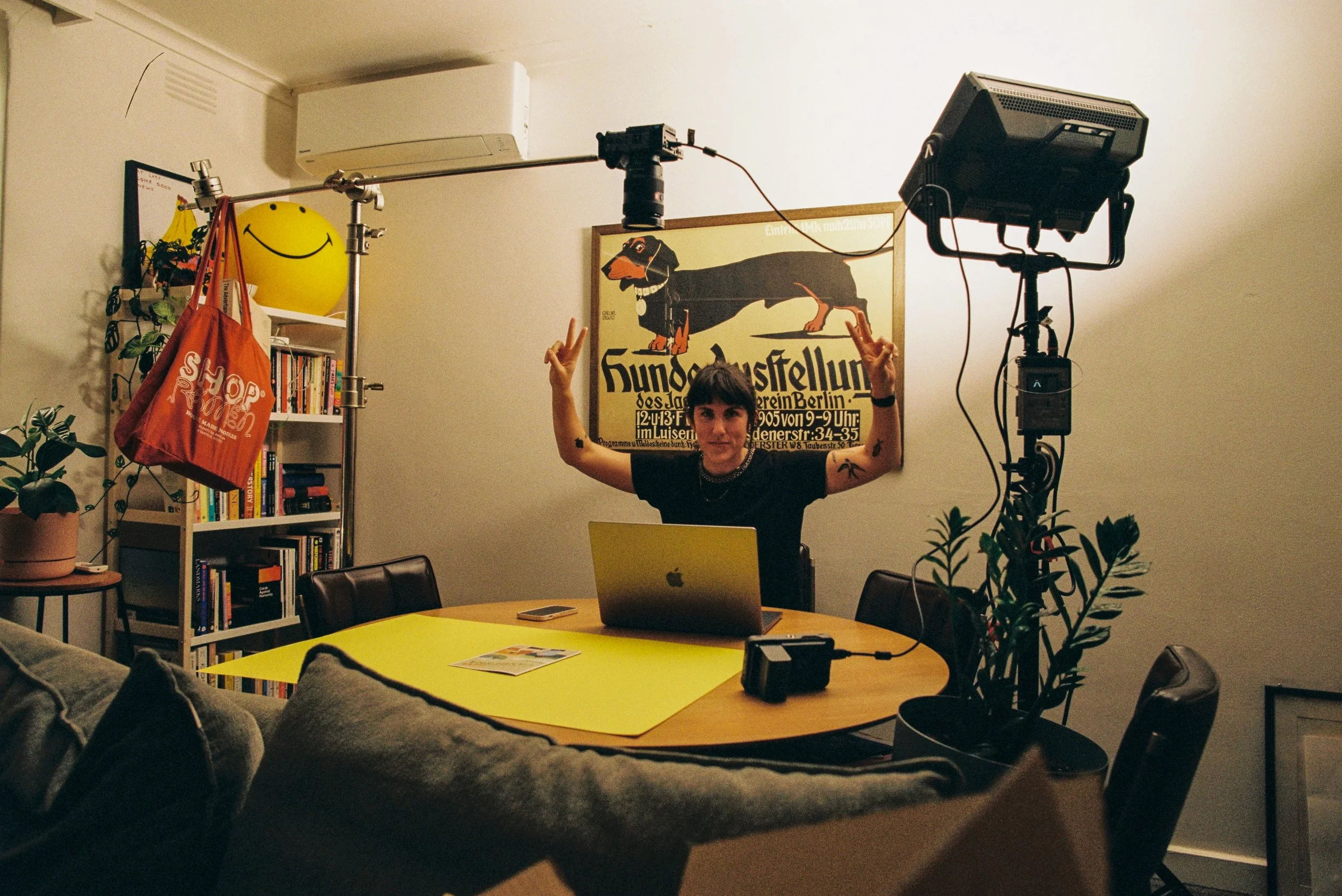
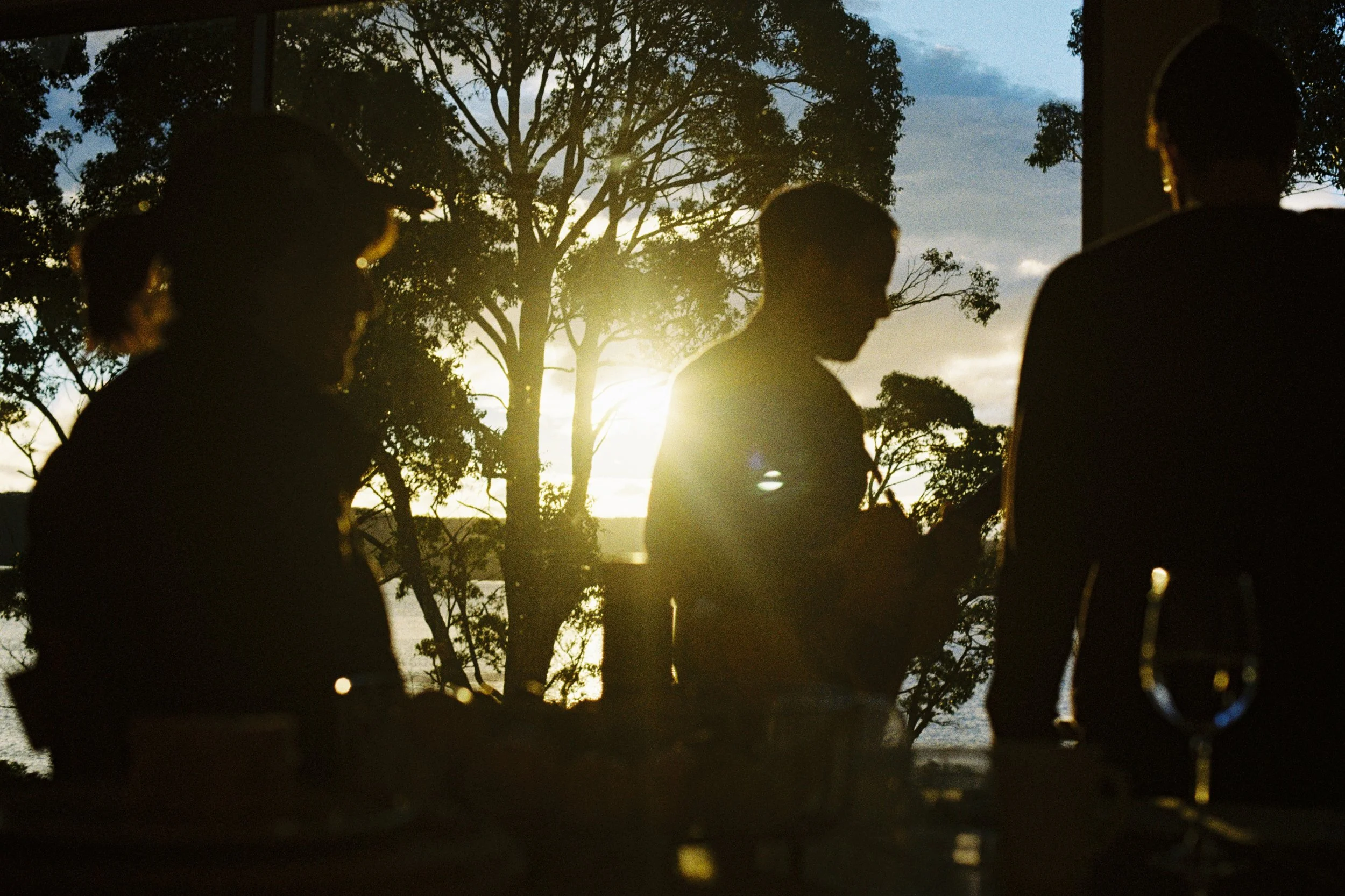
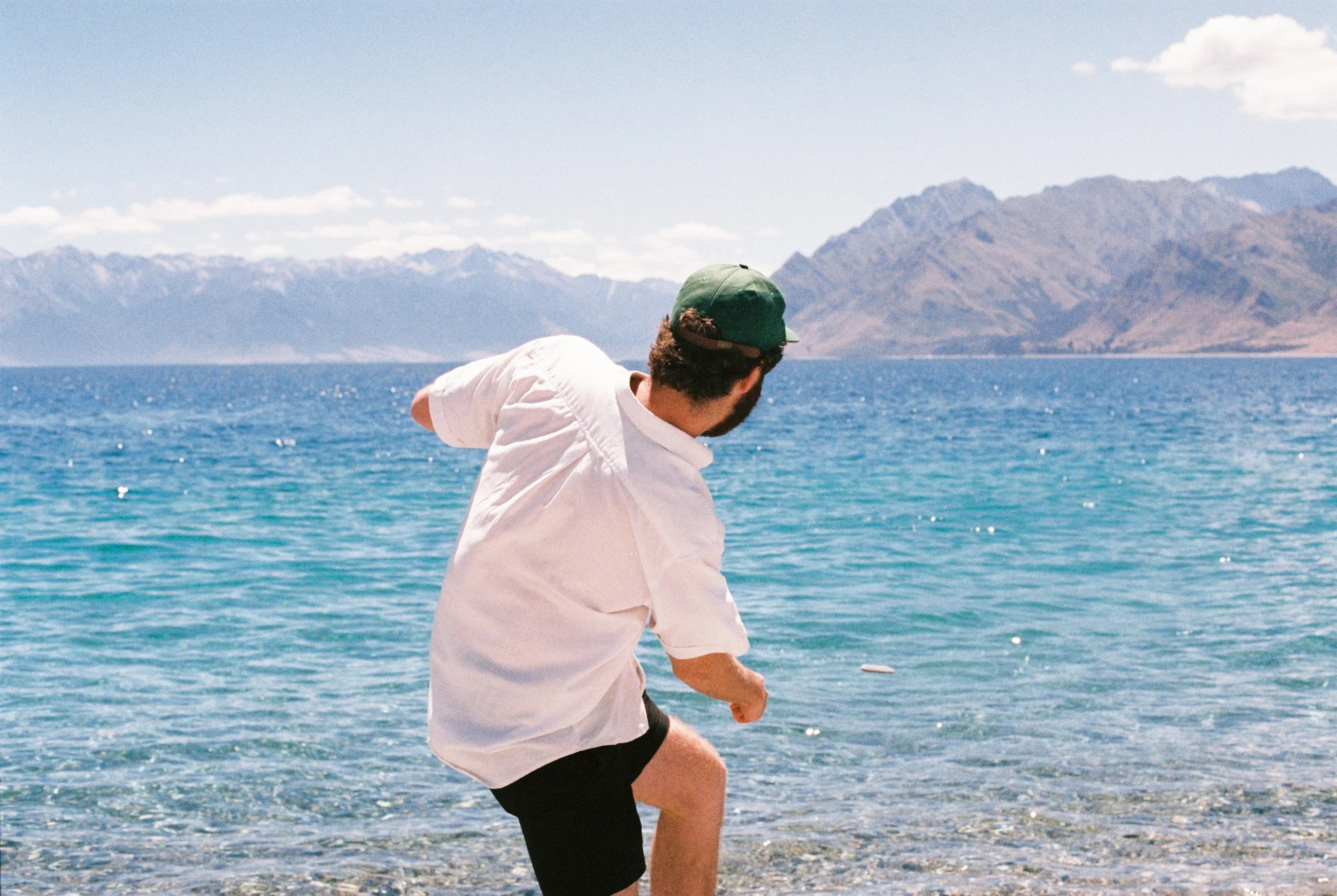
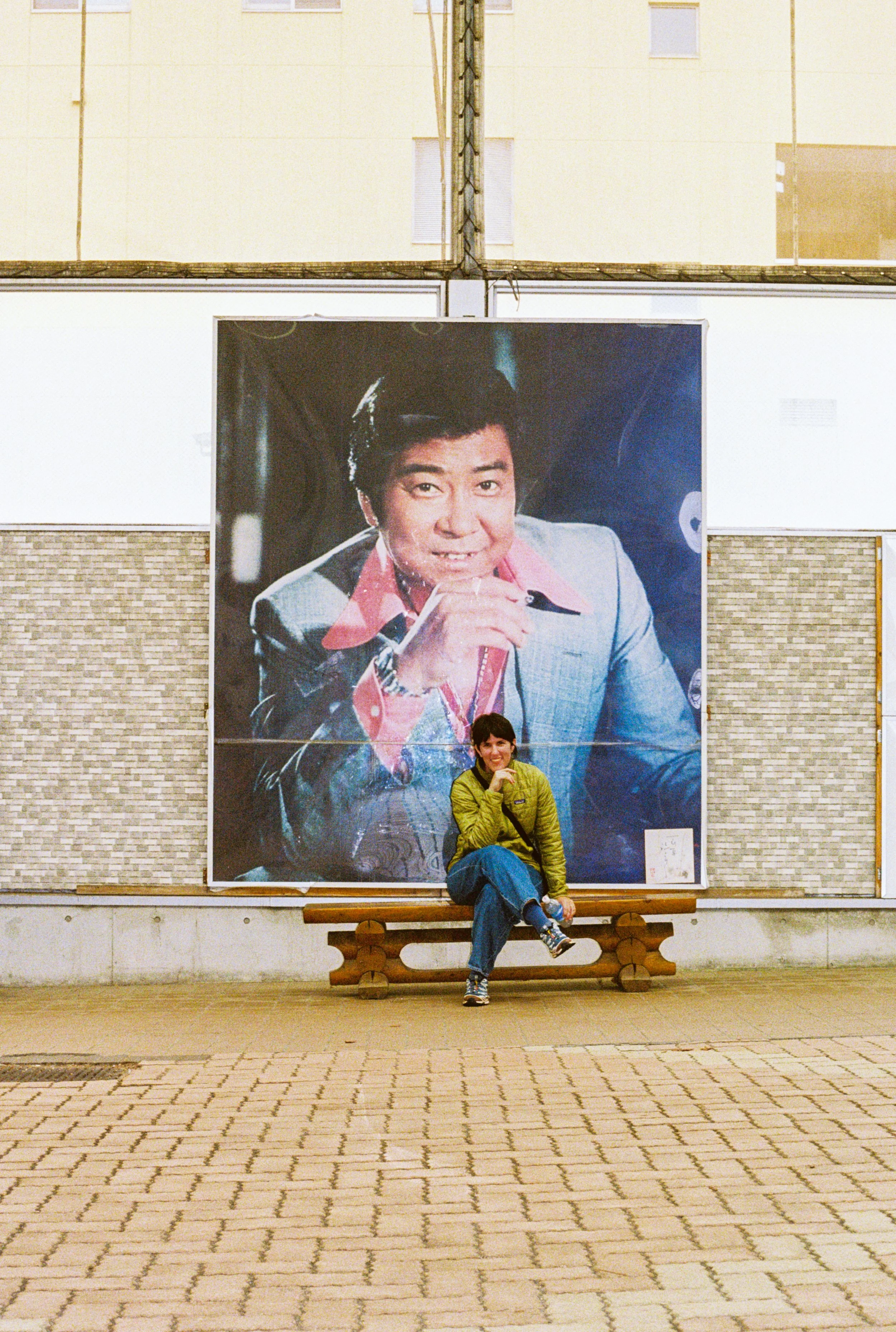
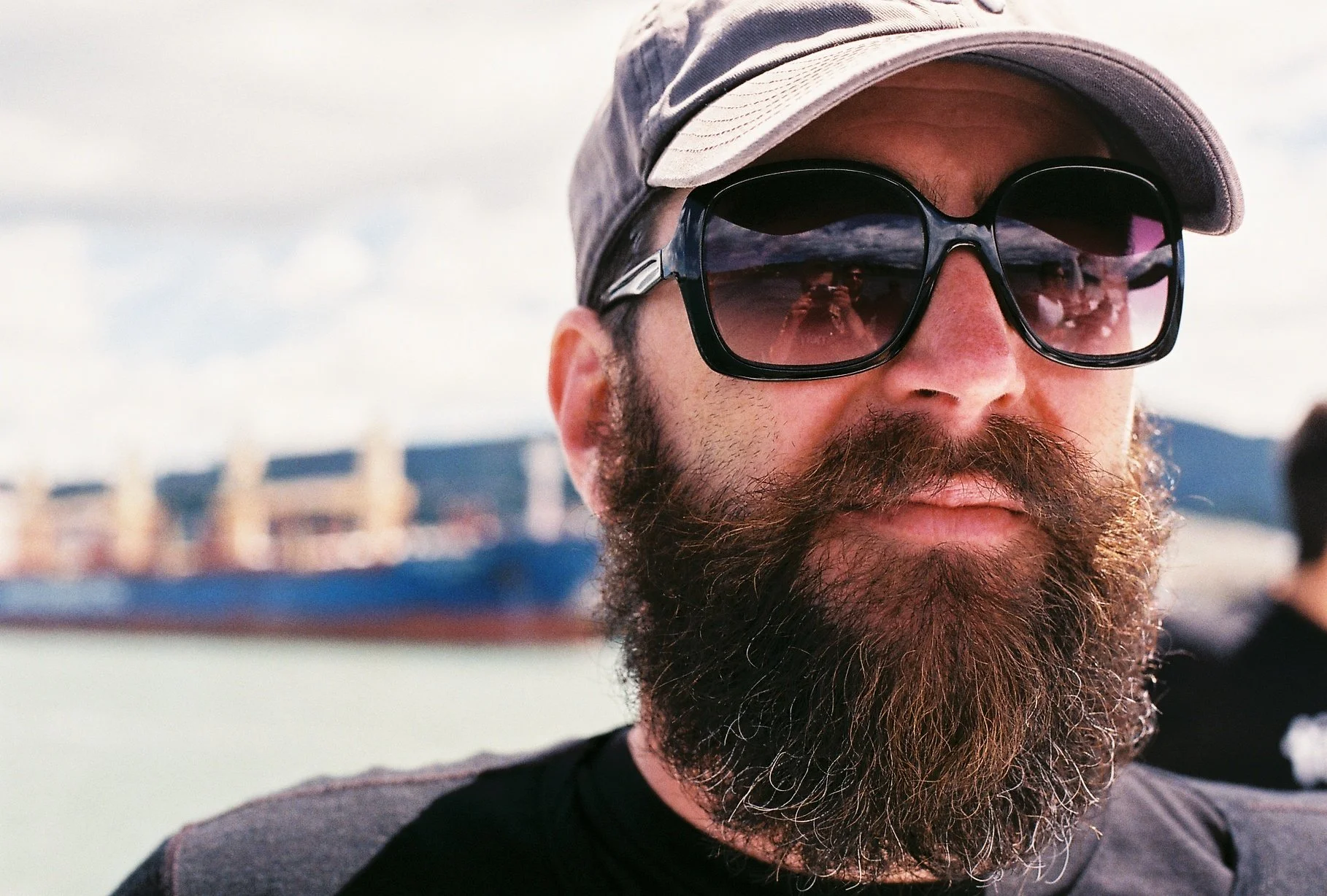
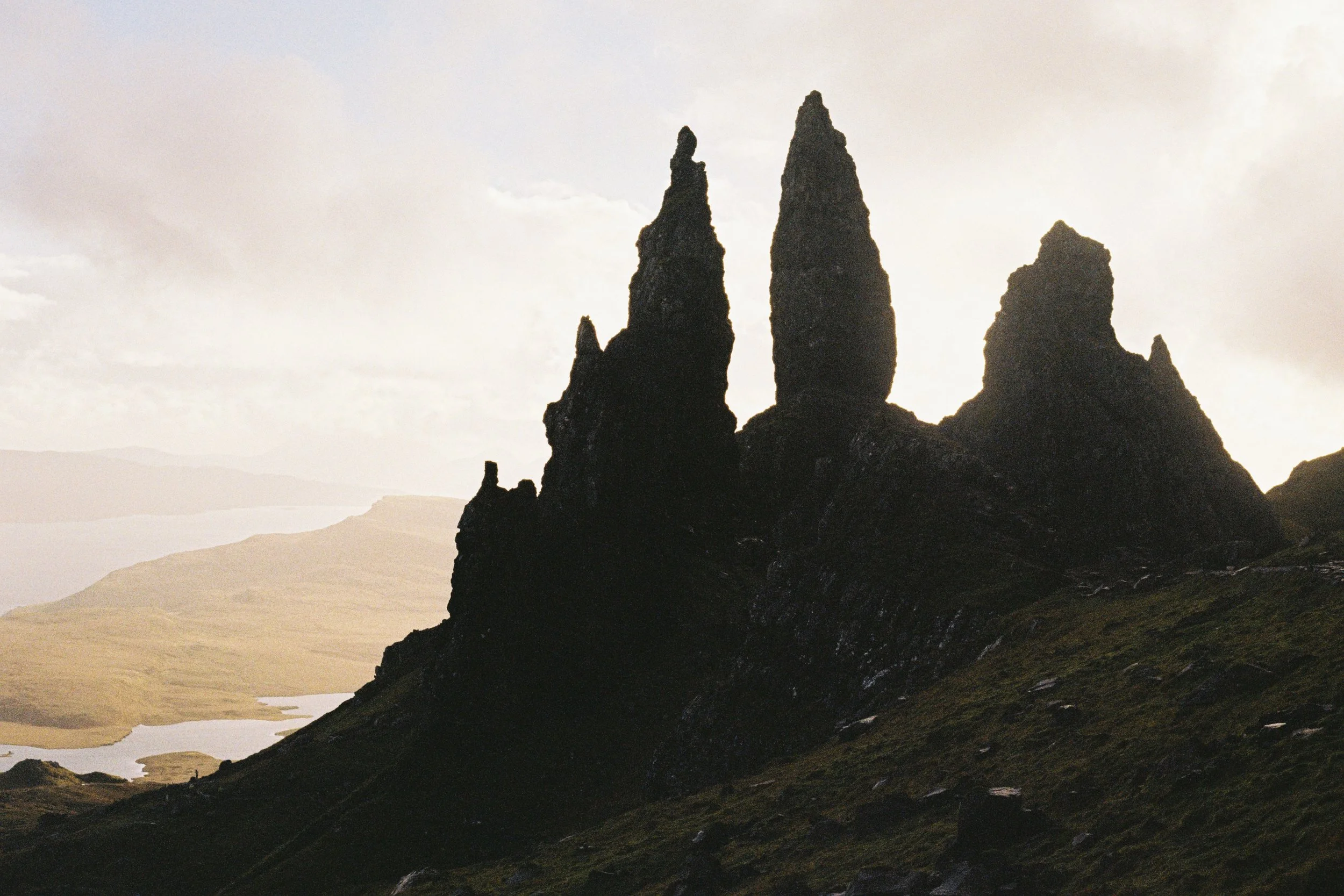
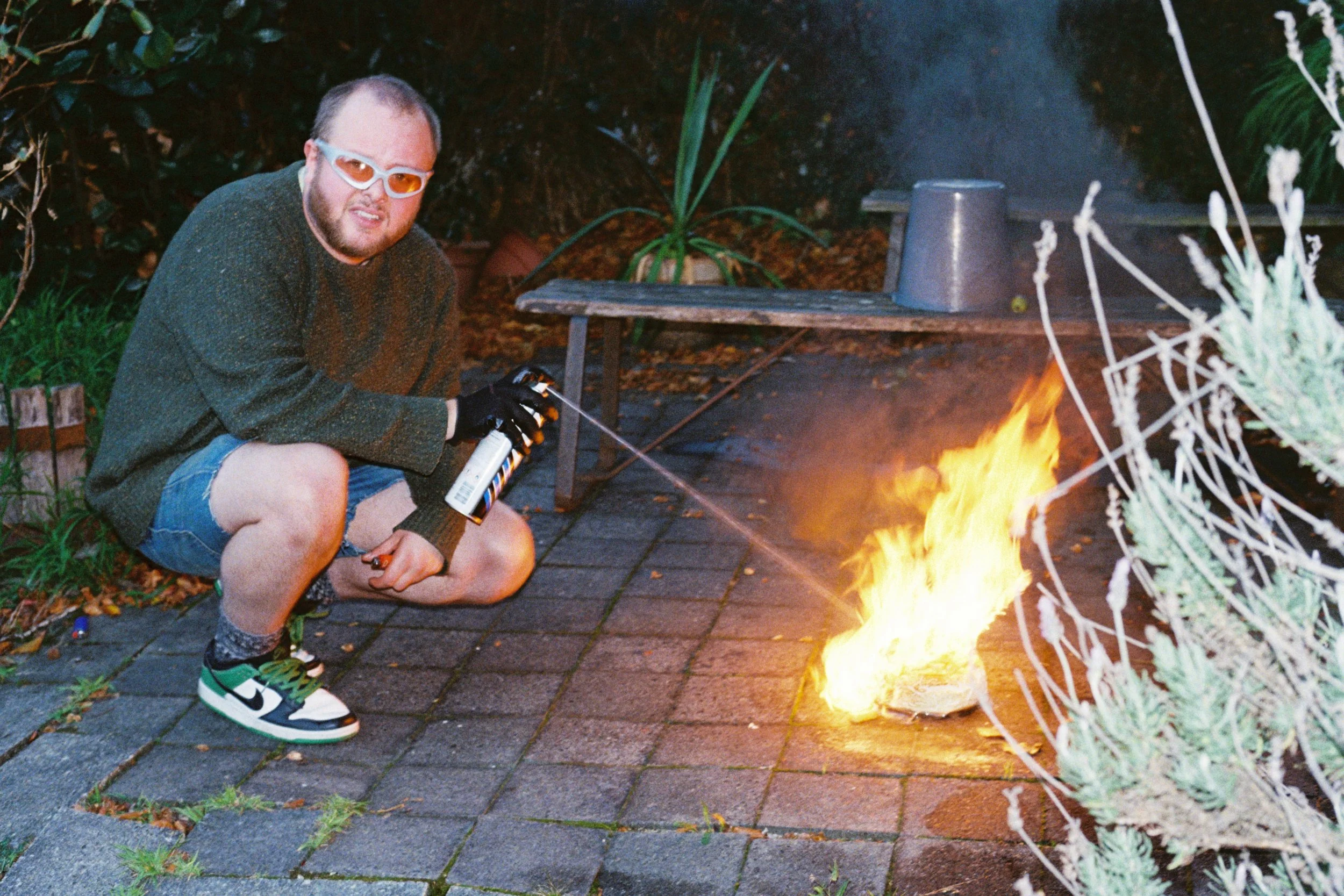
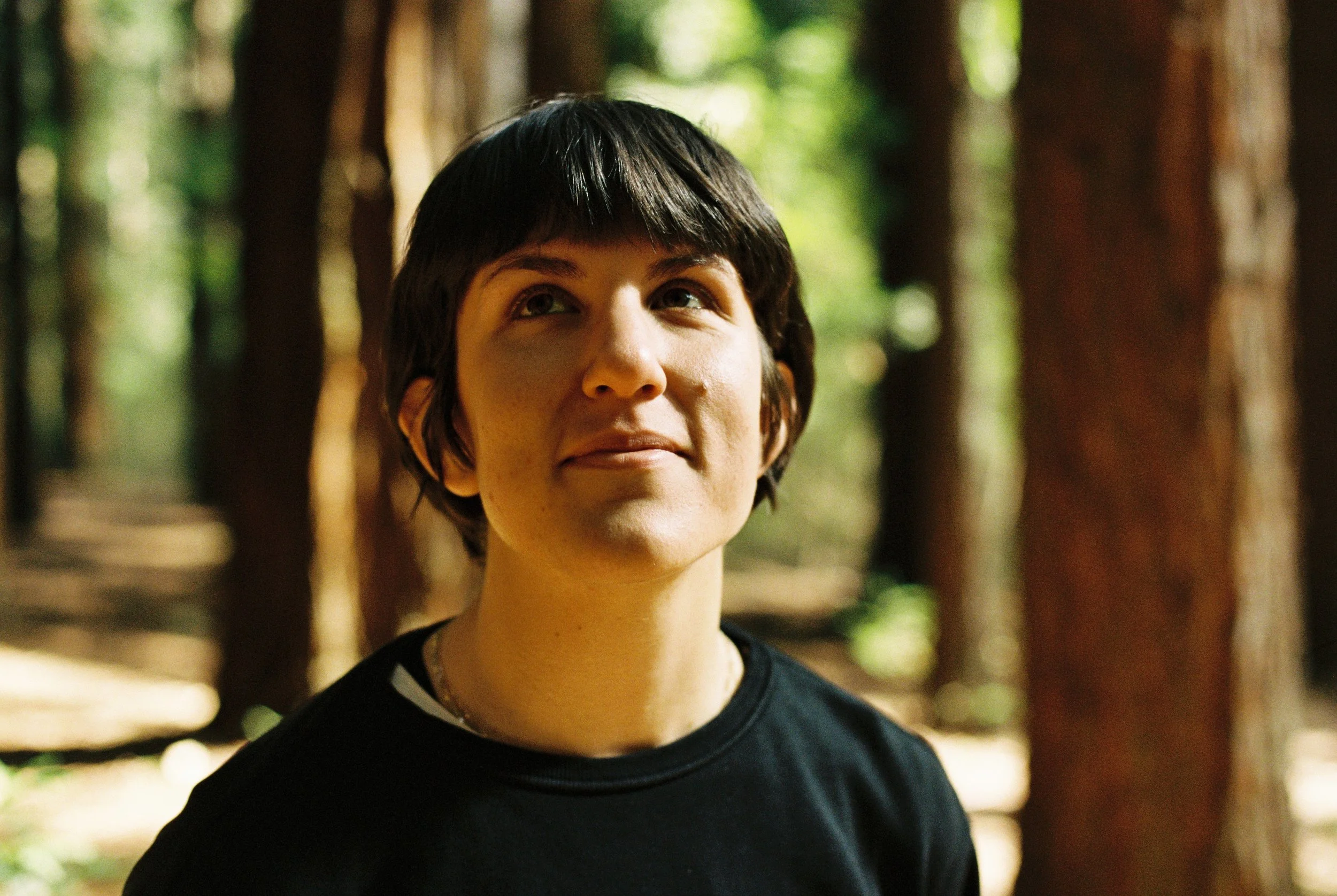
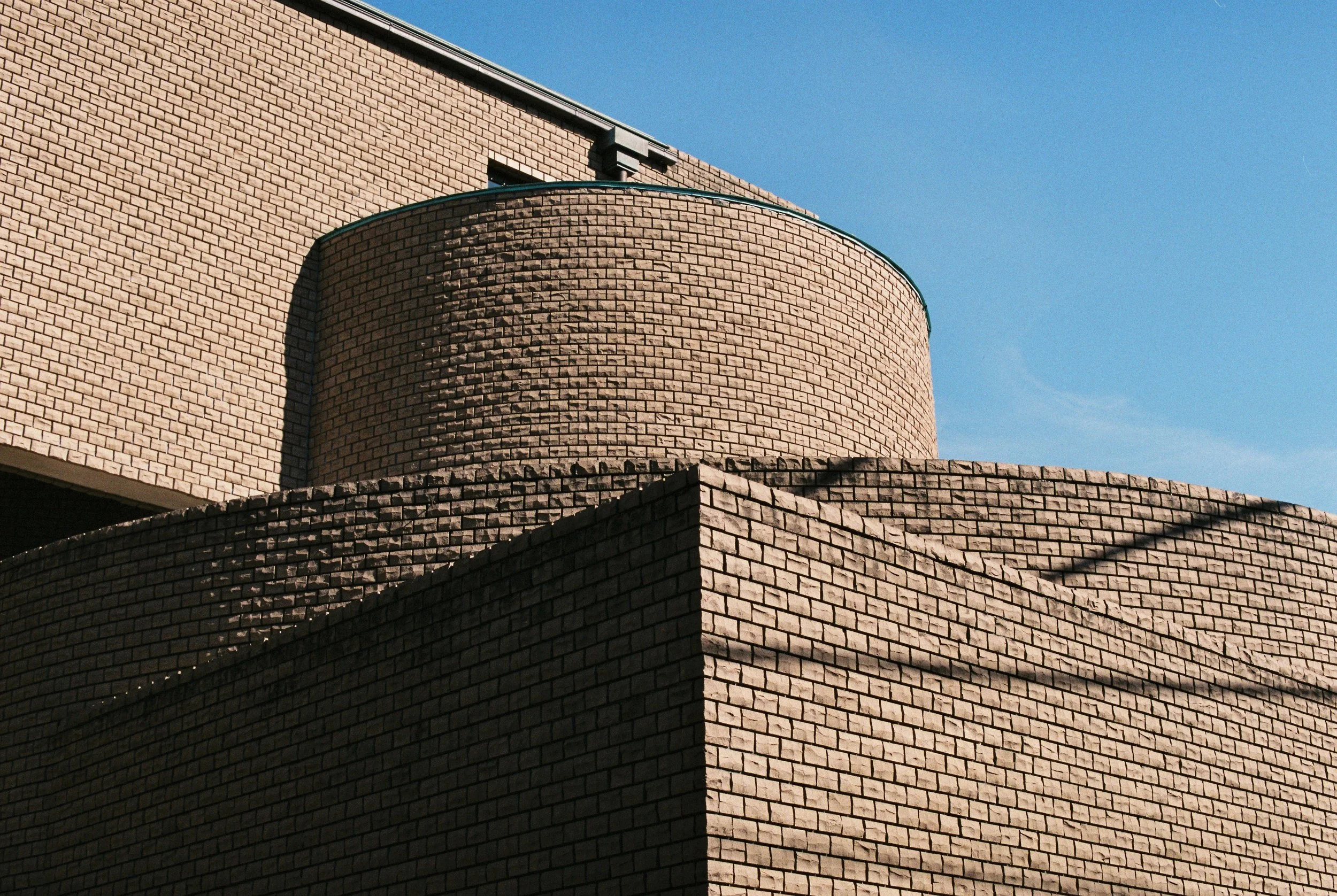
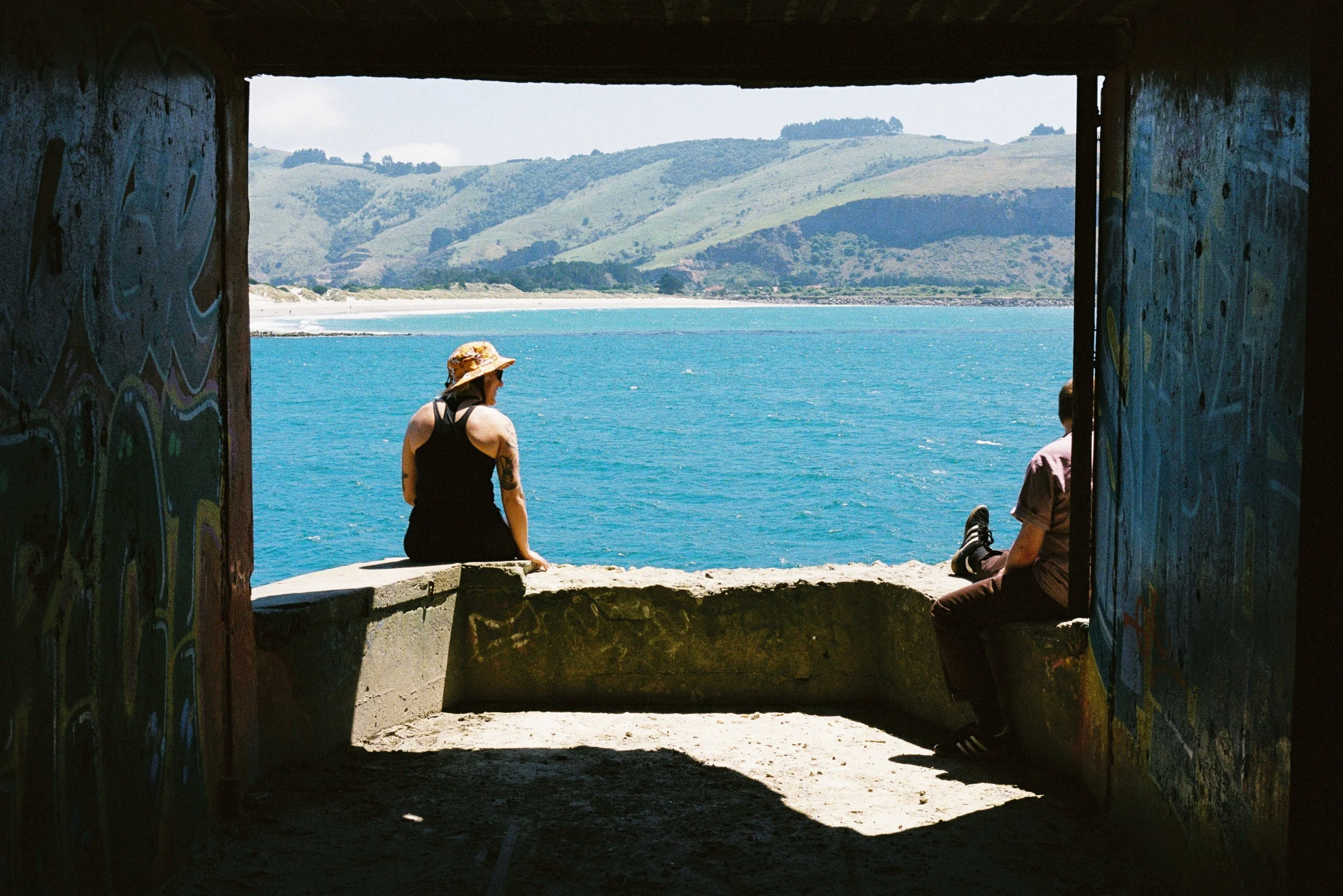
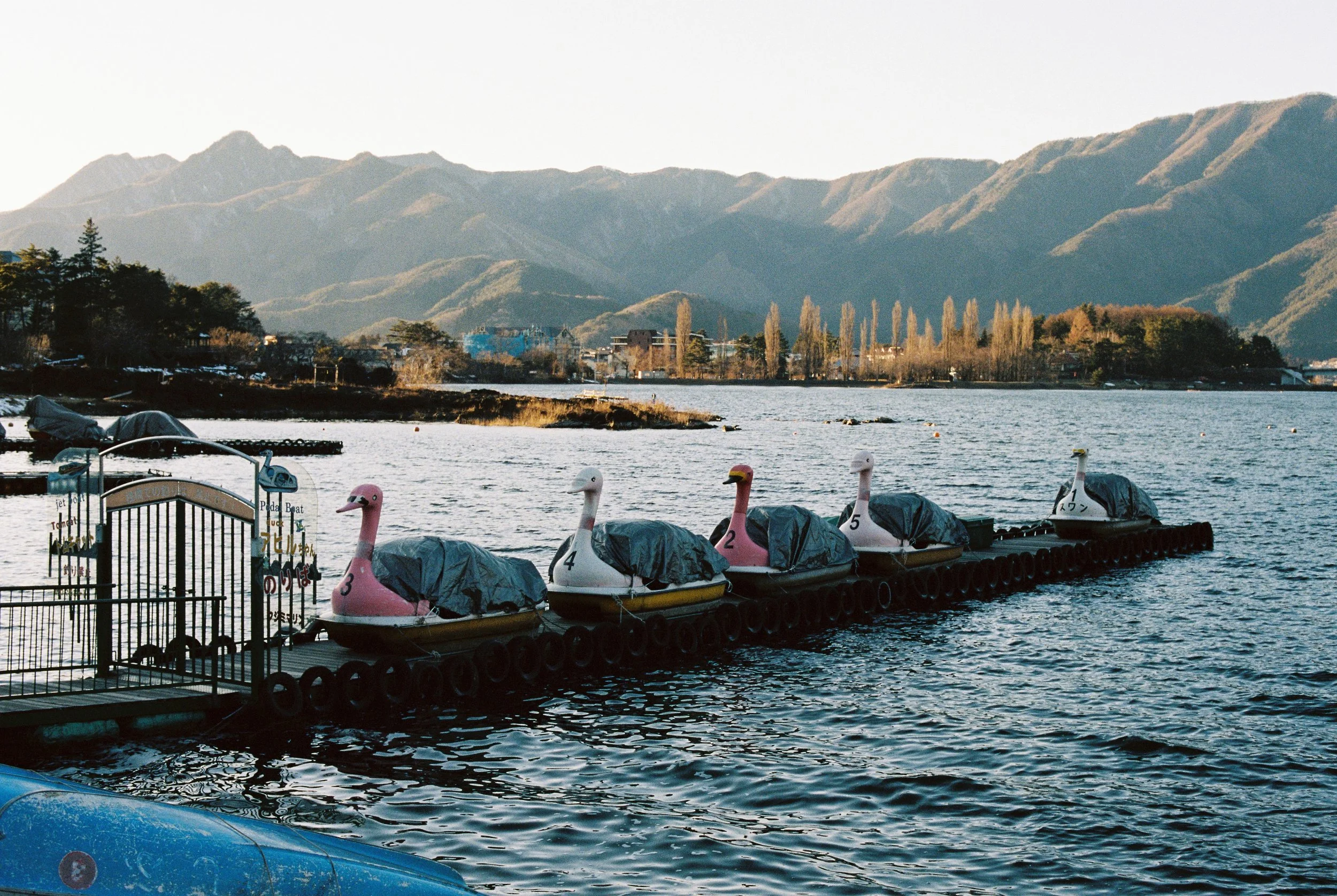
I love this camera so much I bought another one, in a junk store while on holiday in Japan. Having two of them means that Alice (my wife - Borat voice) and I can take film photos together. Pretty cute.
If you’ve made it this far, what I’m trying to say is I’ve been taking film photos for 10 years, and I’ve got some thoughts.
Getting ‘quirked up’ about the quirks of film
This is going to get a little ‘in the weeds’ for people who take snaps, but you’ve made it this far so I’m going to talk about ISO. ISO is how sensitive your camera sensor or film is to light. A higher number means the sensitivity goes up. When the sensitivity goes up, your images get brighter. When it’s lower, it’s darker. It is one of the tools (but not the only tool) you can use to ‘correctly’ expose your image i.e. let people see what you’re taking a photo of. When you’re shooting film, you’re more or less locked into whatever ISO your film is. If you’re shooting Portra 400 film, it’s 400 ISO. What ISO is Portra 800? It’s 800 ISO. You get the idea.
All this to say: Film tends to need a bit more light than digital to expose correctly, and this changes how you take photos. All of a sudden that snap in a dimly lit room needs a tripod so you can shoot it with a slower shutter speed. But the slower shutter speed means no one in the snap can move. At all. Because that’ll bring some motion blur. Or you might need to use a flash to bring in more light. See what I mean? There are flow on effects to the ISO thing, and that just produces a different result. If you use less light it also means more grain too, a characteristic of film that everyone talks about. I notice a lot of older movies shot on film are getting these bizarre remasters where they denoise the scans to remove grain. Like, the grain is almost the point and half of the reason these movies look good still. But as I said earlier - these quirks are half of the reason to shoot on film.
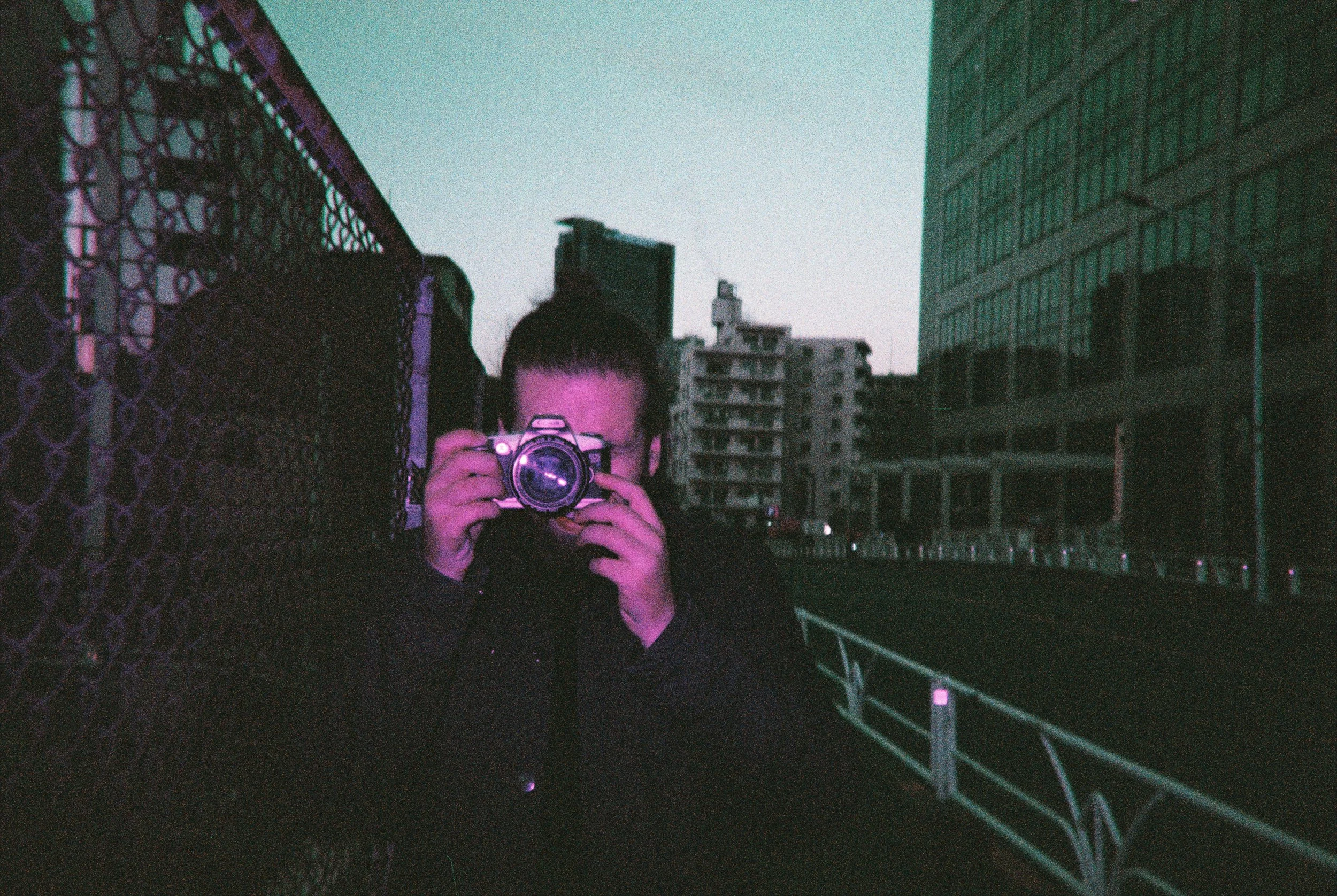
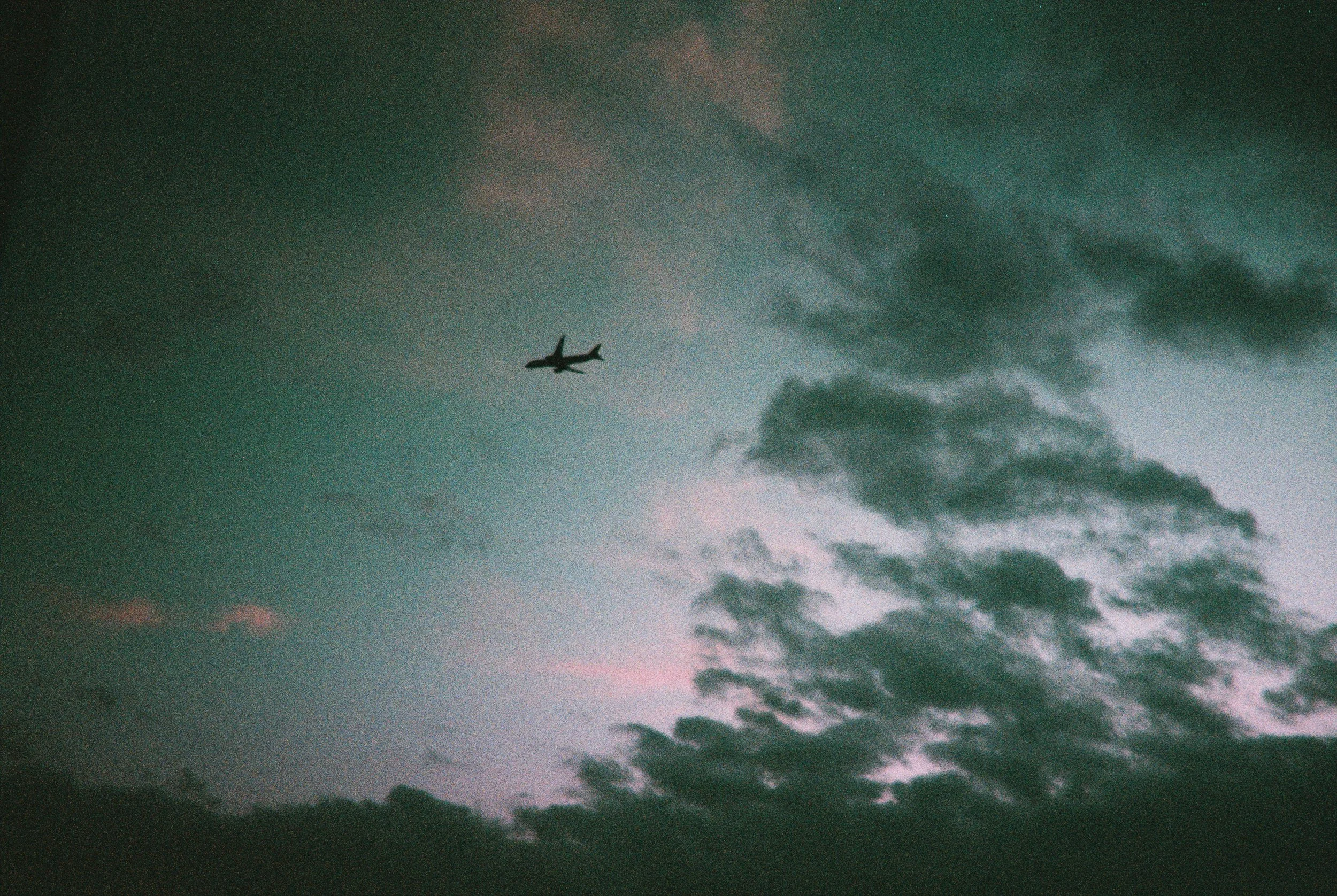
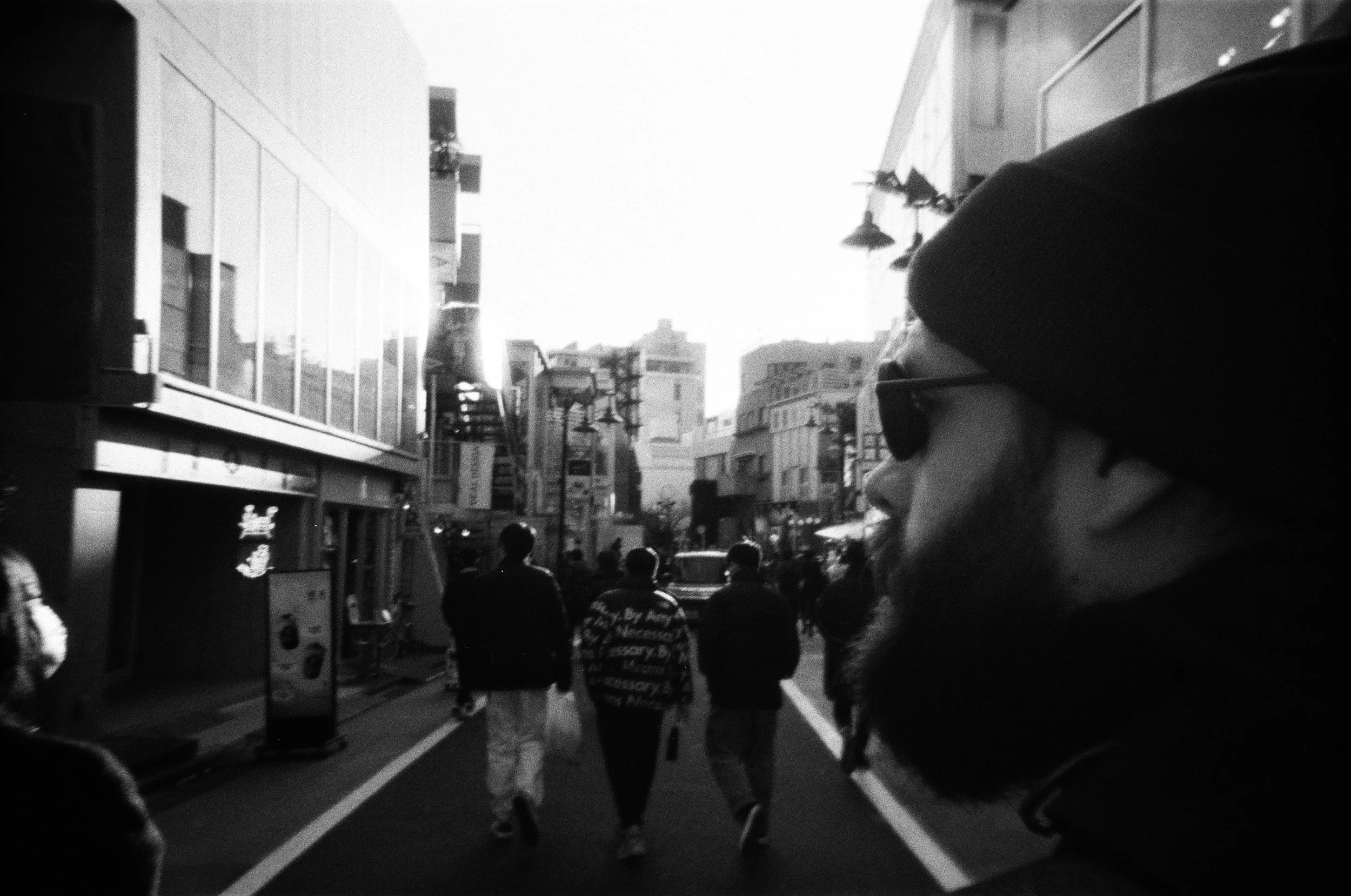
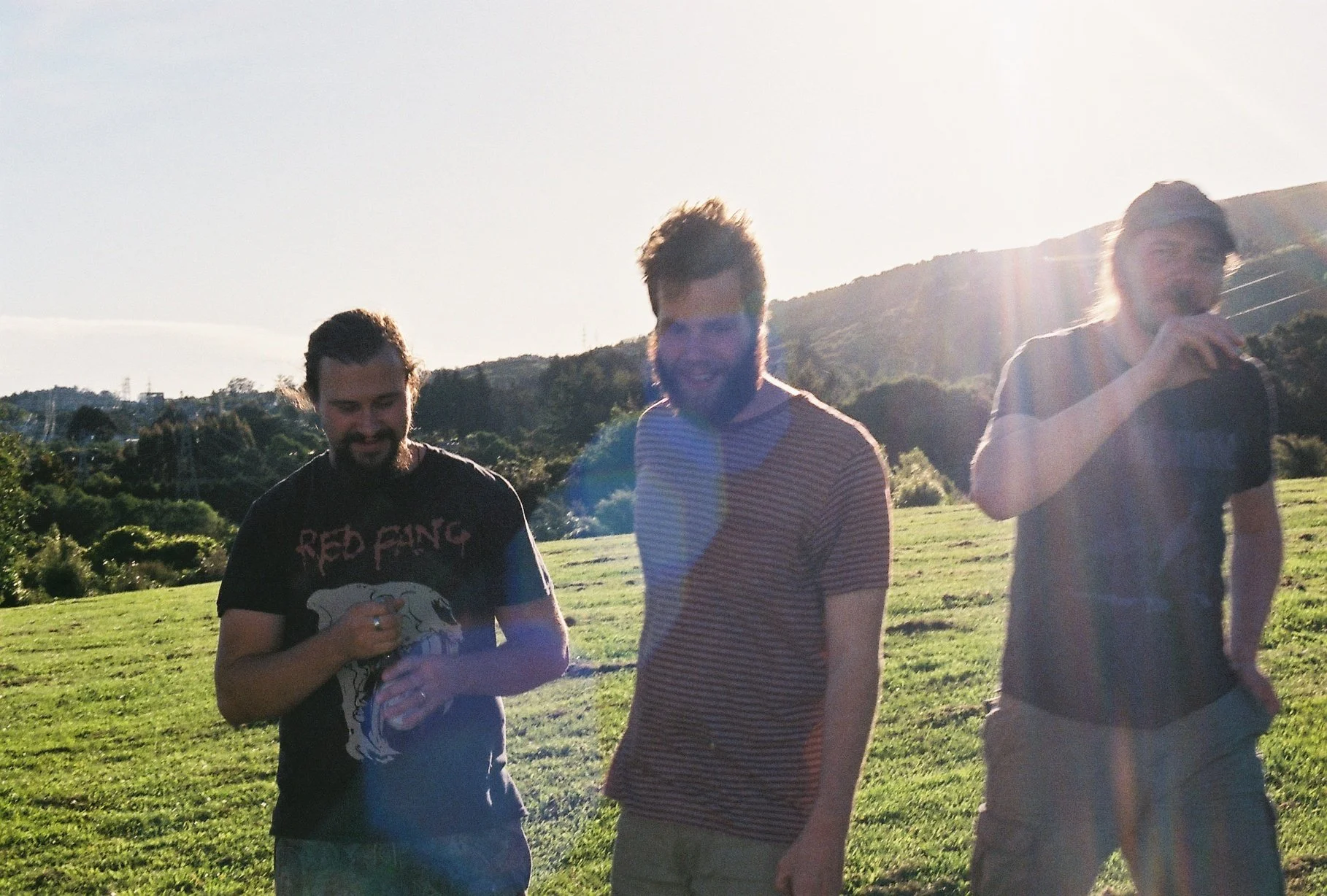
Taking film photos can also give you that smug sense of superiority that every photo you take is costing around $5, depending on which stock you shoot. To be clear, the cost is the worst quirk. As time goes on, film is becoming more expensive to shoot on. Less of a thing we can all do, and more of a thing that those with disposable income can do. A 5 pack of Portra 400 on 35mm is costing $165 AUD right now. Actually insane when you add developing and scan costs on top of the film too. But that segues nicely into the blessings and benefits of the local film lab.
“You got a killer scene there, man…”
Since moving to Melbourne nearly 9(!) years ago, I’ve tried out most of the film development options. The two best (in my lowly opinion) are Halide Supply in Collingwood, and Hillvale in Brunswick. I live in Brunswick now so I solely get stuff developed and scanned at Hillvale. They’re not the cheapest, nor the most expensive but their staff are encouraging, the building is cool, they have a photo booth out the front if you think that sort of thing is cute (I think that sort of thing is cute) and they also have exhibitions of local photographers. I myself have had a photo in a group exhibition in 2018. Keep The Fire Burning was a cool concept for a show and I was stoked to have a photo of my brother smoking a durry in front of a fire accepted into the exhibit. We had to hide the image from mum for a while because she didn’t know Hugh was smoking cigs, so I couldn’t really brag about it to her for a couple years.
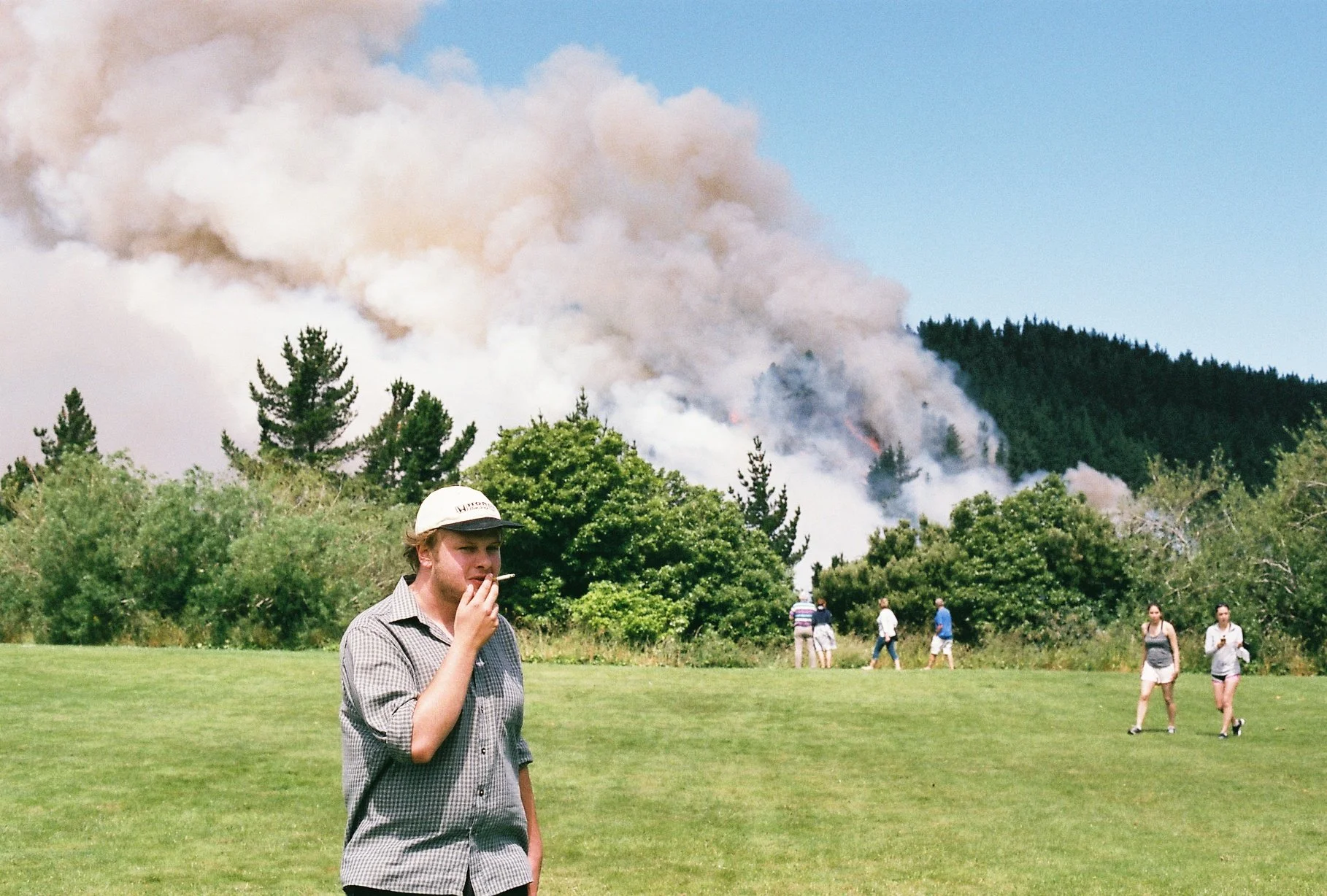
Sorry mum
Anyway, championing the local scene, and having a vast array of handy dropboxes around Melbourne mean that Hillvale keeps getting my money for now. Halide Supply are also very good - they have one of these Noritsu scanners that nerds are into. It does make stuff look good though.
The virtue of patience or: why the f*#k can’t I just look at a screen to see what the photo looks like after I’ve taken it
Yeah look, this could also go under quirks but it’s such a huge part of the experience of taking film photos that it gets its own paragraph. Deal with it. The amount of times someone I’ve taken a snap of asks if they can see it and I have to say, “yeah, in a few weeks” is… well, probably 4, but enough that I bring it up here. Waiting to see what your photos look like hasn’t been normal for over 20 years. Generations of kids will never know the pain of waiting for images unless they, like me, yearn for a simpler past and participate in this niche hobby. But I’m here to say that the waiting is the best part, not the hardest part. If you take 36 snaps over a number of months, unless you’re keeping an excel spreadsheet of what you’ve taken and when, you won’t remember the photos you’ve taken unless you see them in front of you after they’ve been developed and scanned. The joy and surprise you feel when seeing these glimpses of the past for the first time on film is something else. Moments can take on a whole new meaning and quality of life, both good and bad. Going through this a few times beats a bit of patience into you too. There’s no speeding this up, you’ve just got to wait. Trust the process, as they say. Did taking ten years of film photos make me more patient? Maybe. It at least made me open to the possibility of potentially being patient in any given scenario. Namaste.
Sometimes a bad photo is actually a good photo because it’s bad
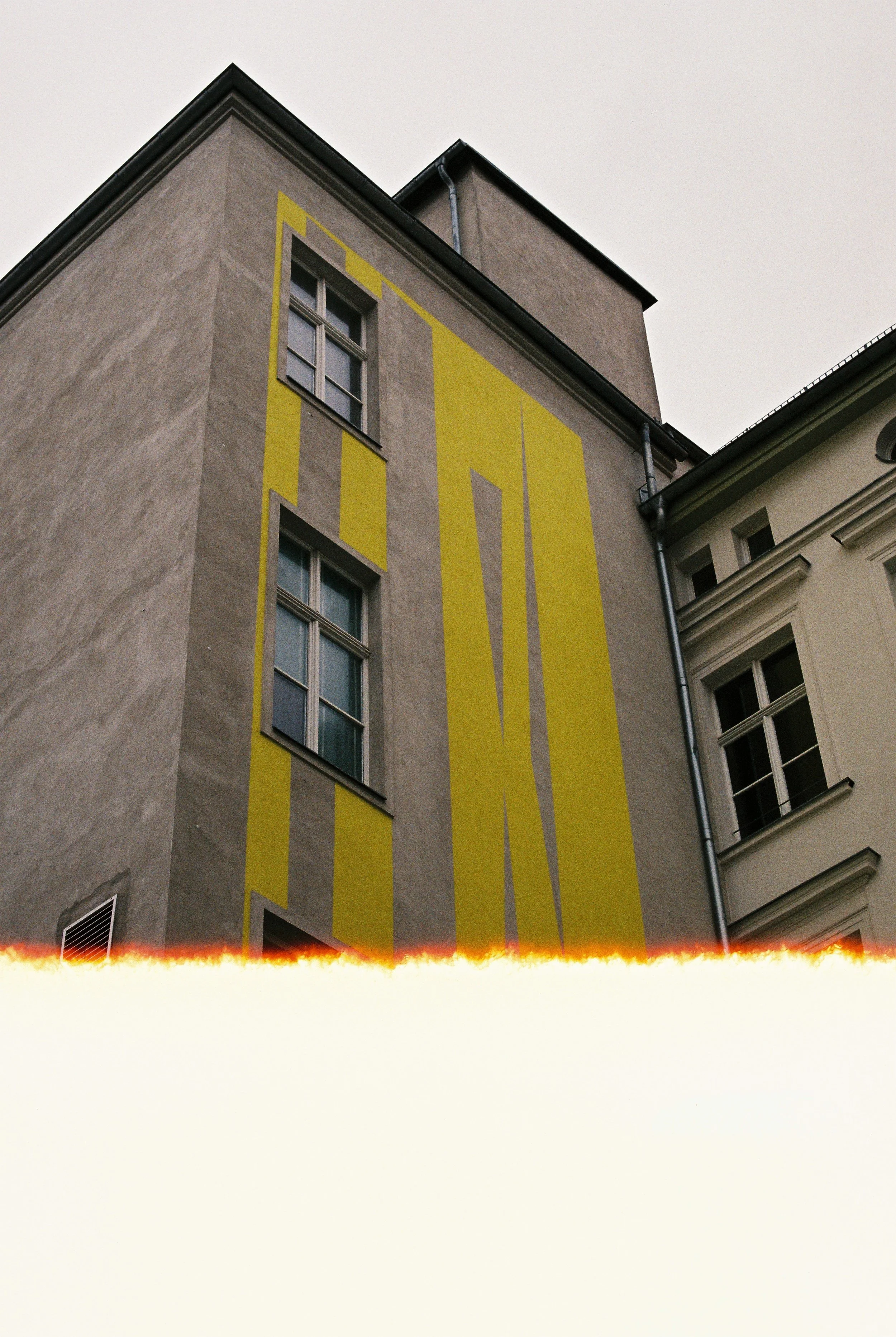
Often, if not every roll I’ve shot has a few bung frames where I’ve messed something up and it doesn’t come out well. But sometimes these mistakes can end up being weirdly great. Missed focus? Somehow it can work on film in a way that is intangible. Overexposed? What am I looking at? It’s part of the fun. Underexposed? Guess what, you get to experience more of that film grain that nerds online think is cool. But more than just technical issues, sometimes a throwaway ‘bad’ snap at the end of a roll to finish it off can hold some more meaning years later when you go through this stuff. Take this snap below: It’s my mum’s old dog Kiri (she’s still with us and is 17!) and a stack of the second TRIUMPHS album I was hand-numbering before trying to flog online. It’s a point in time in 2017 I’ll never have back but I love that it’s documented in this way. Kiri looks like an insane demon, my parents have a garish tablecloth on and this is a unique point of view that doesn’t exist at any other point in time. It is the beauty of being alive, spinning on a rock in space and just existing. Rock and roll.
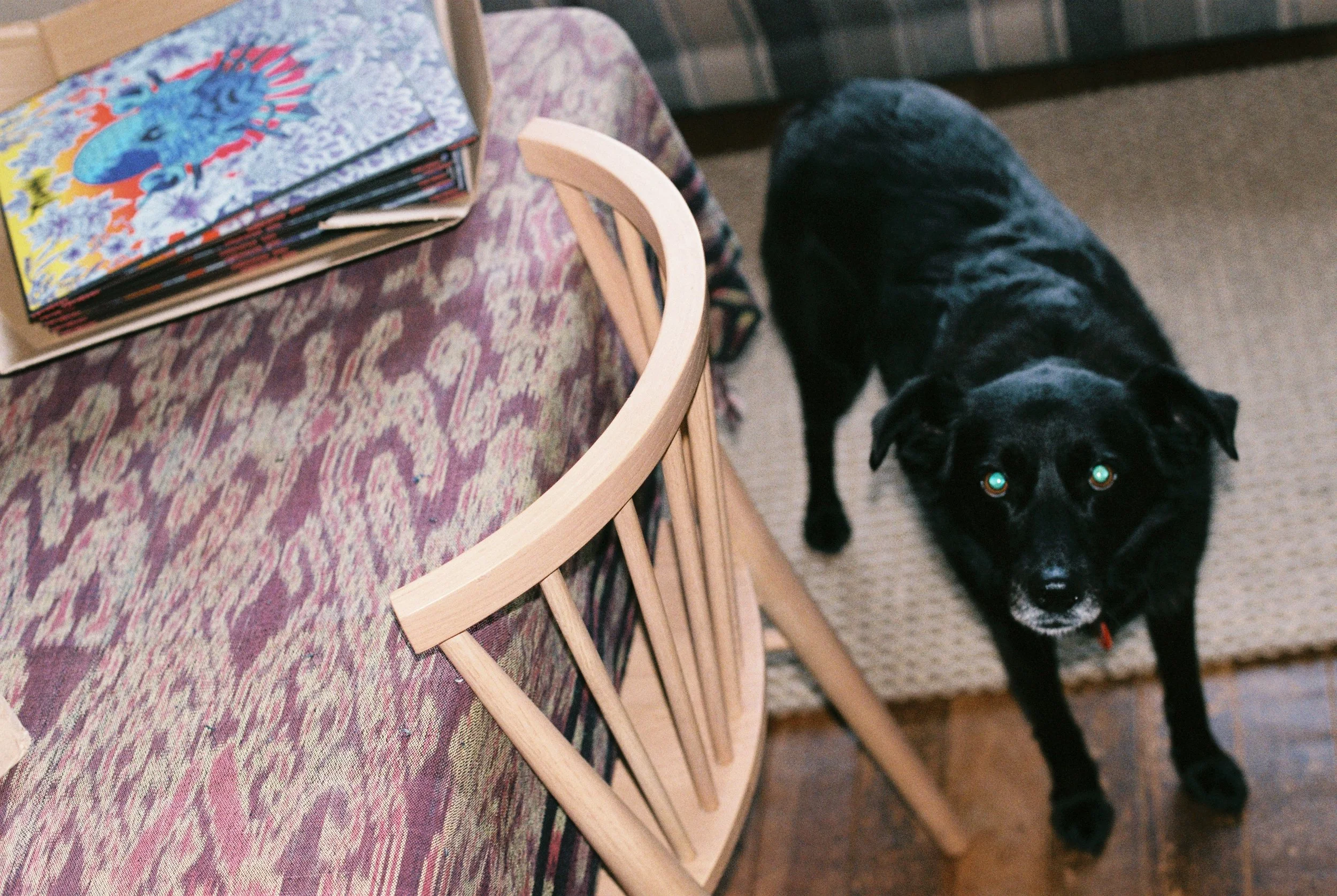
“I’m a demon” - Kiri
Manual medium format mucking and miseries: a memoir
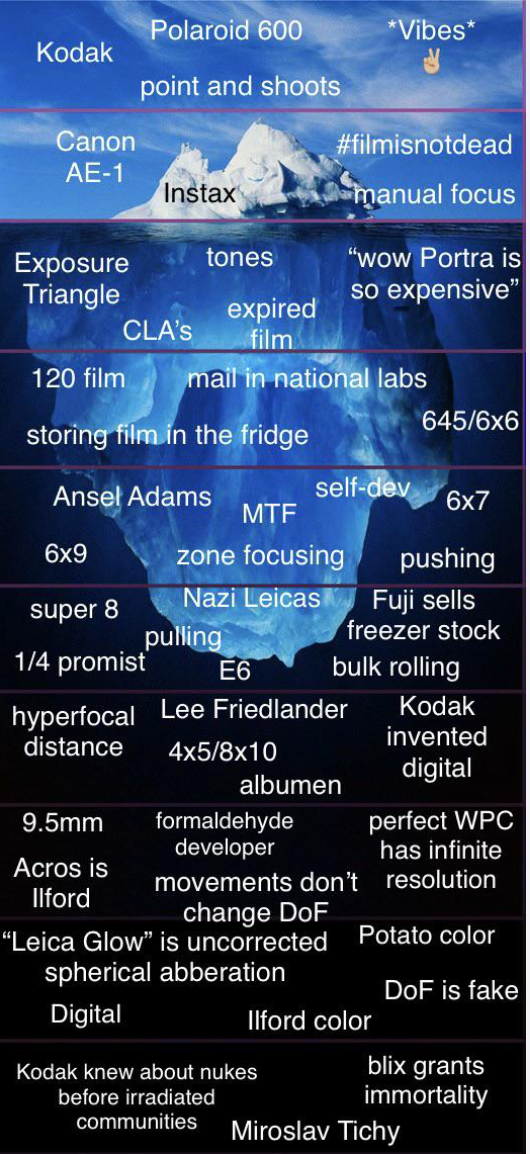
If you read this meme and feel attacked, you do actually deserve it
The more you get into the dark depths of the film photography iceberg you will find yourself being pushed in the direction of medium format photography, for which you will require 120 film. I found myself “influenced” by film photography youtube and after a big trip to Japan when I shot about 5 rolls of film across a couple of 35mm cameras. I then decided it was time to “get serious” and buy a medium format camera. I ended up buying a Bronica ETRS, which from my understanding is the sort of camera you might have been loaned from an art school as an undergrad studying photography, specifically studio photography back in the day. There are no electronics in the camera to do the job for you.
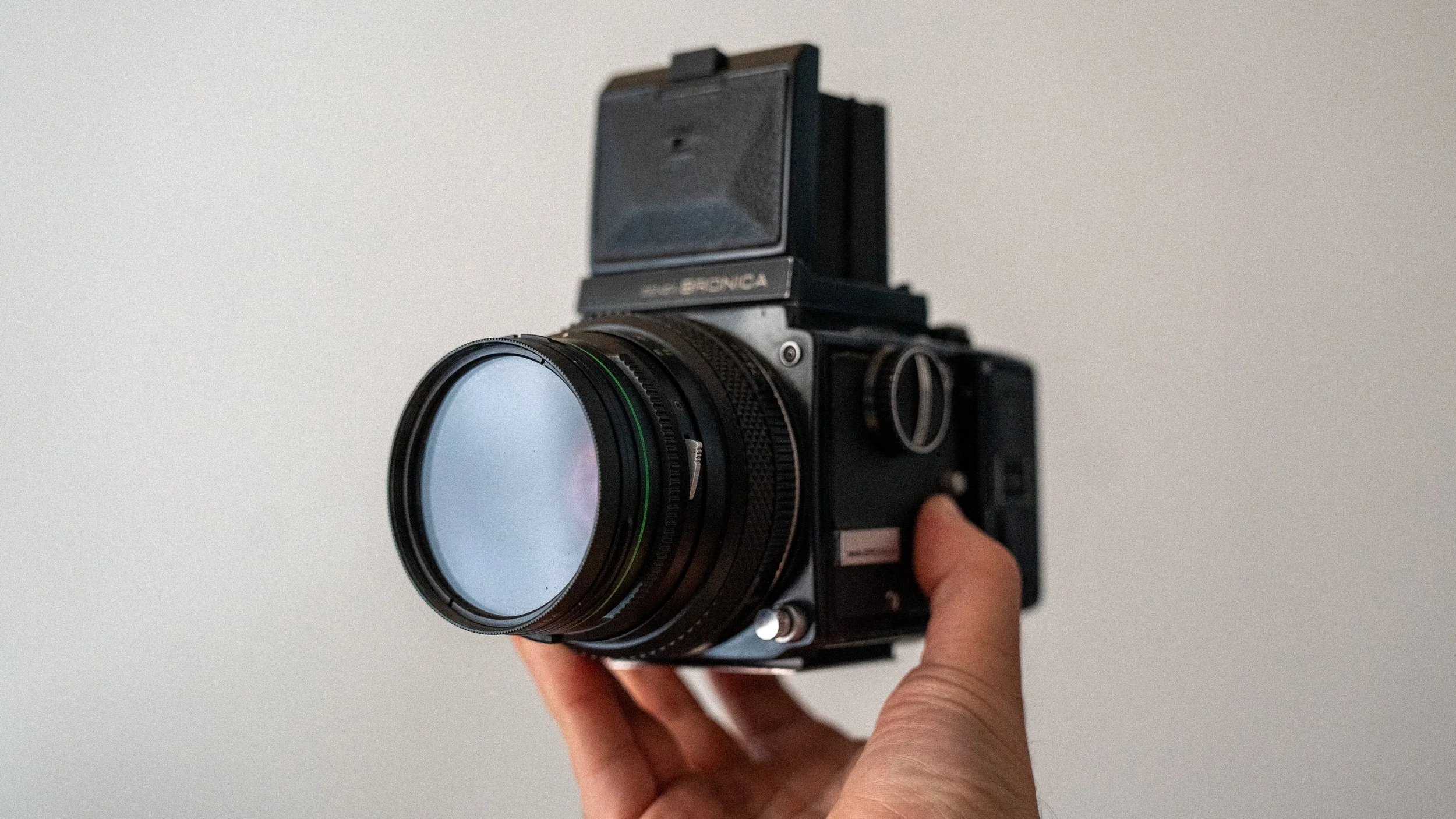
Big bad Bronica, baby
I’d become slightly lazy as the Canon I use has an auto mode if you just want to blindly take snaps and worry about it all later. This is not a possibility on the Bronica. You need a light meter, and I was able to use one on my phone semi-successfully. Using a light meter is actually annoyingly useful to be able to do, so in this regard I think even if you don’t get into medium format, using a meter will help you become one of these people who can shoot FULLY MANUAL on a film camera. These people are celestial beings who live on a higher plane to mere mortals such as you and I. I cannot fully claim to their brilliance and power, but I have at least used this camera semi-regularly over a few years and have taken some snaps that I like on it. It’s a different vibe to 35mm as you will see… Images are physically larger, so the grain appears smaller, and resolution is naturally higher due to the size of the images being bigger. The lens that came with this camera also has its own character. It’s not hazy, but it catches the light in an interesting way. It’s really sharp when it wants to be, which is both a curse and a blessing.
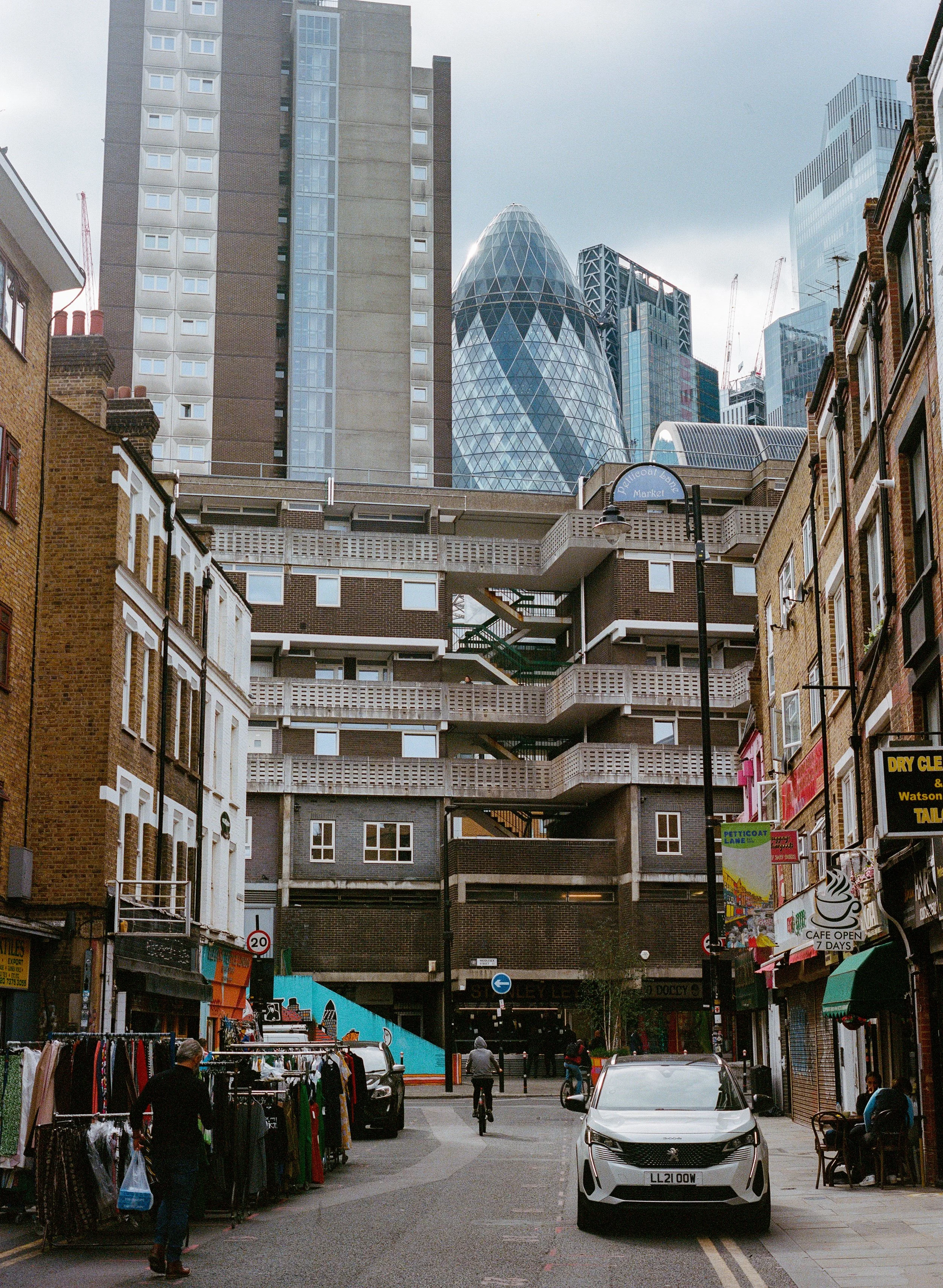
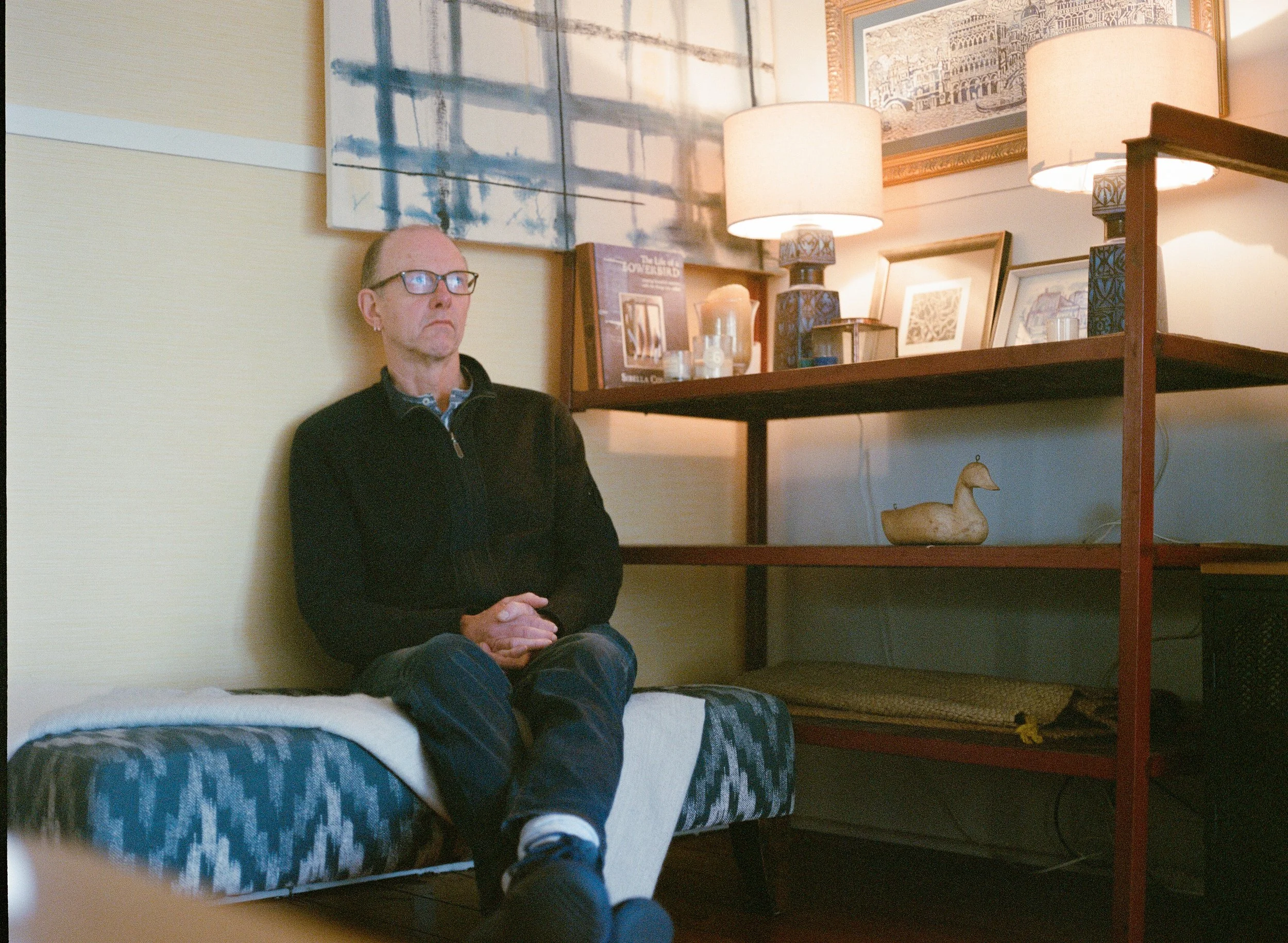
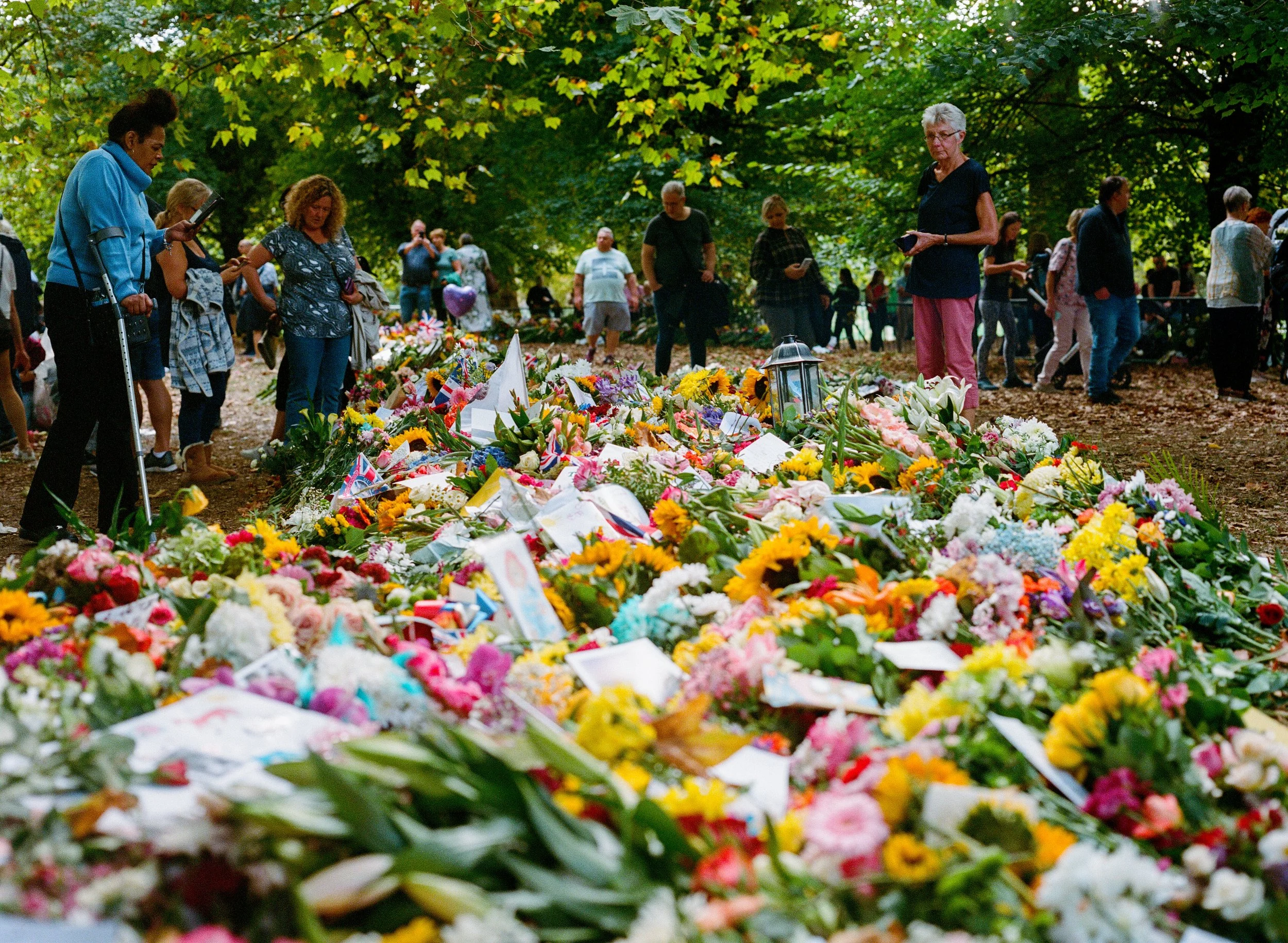
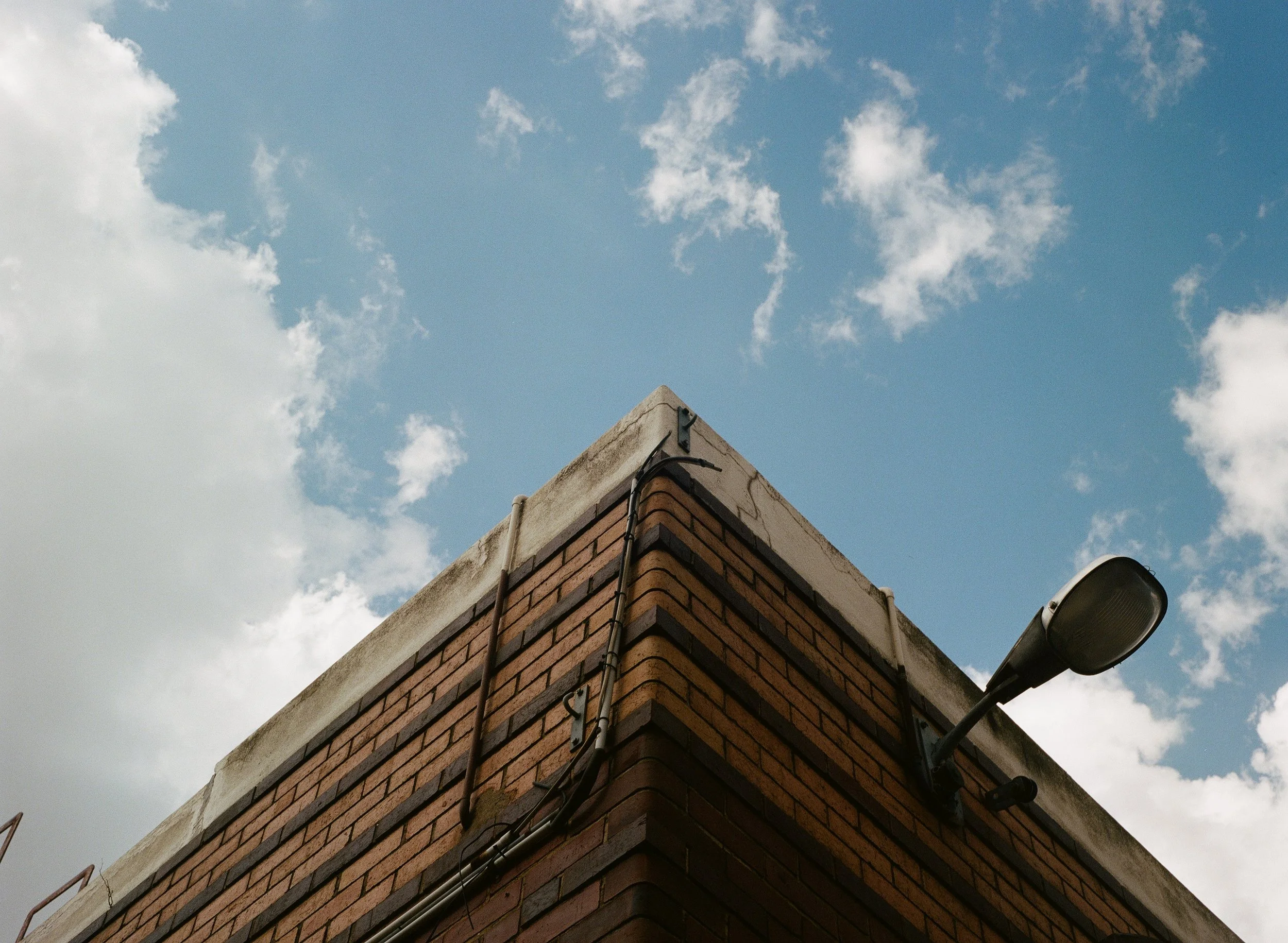
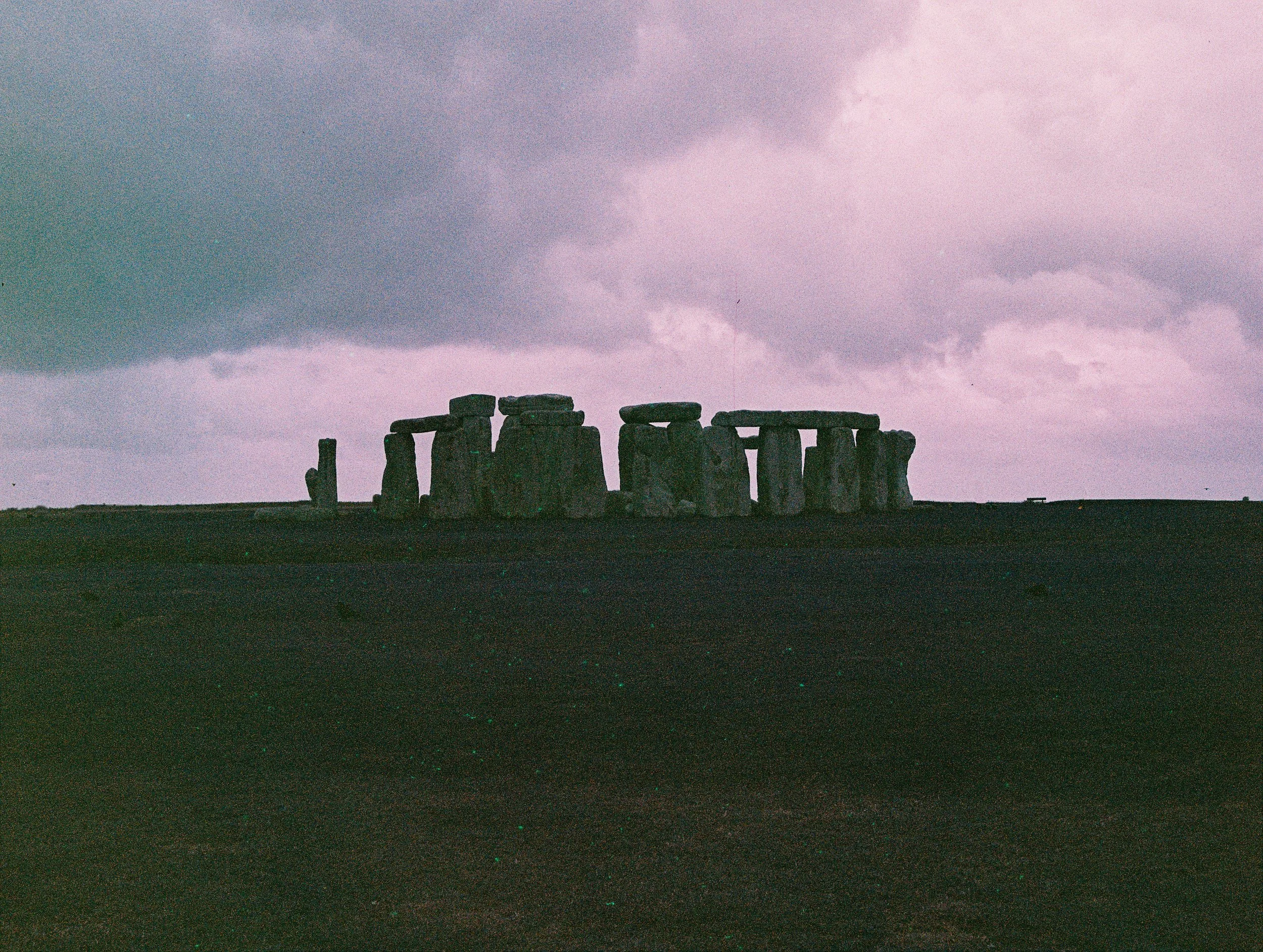
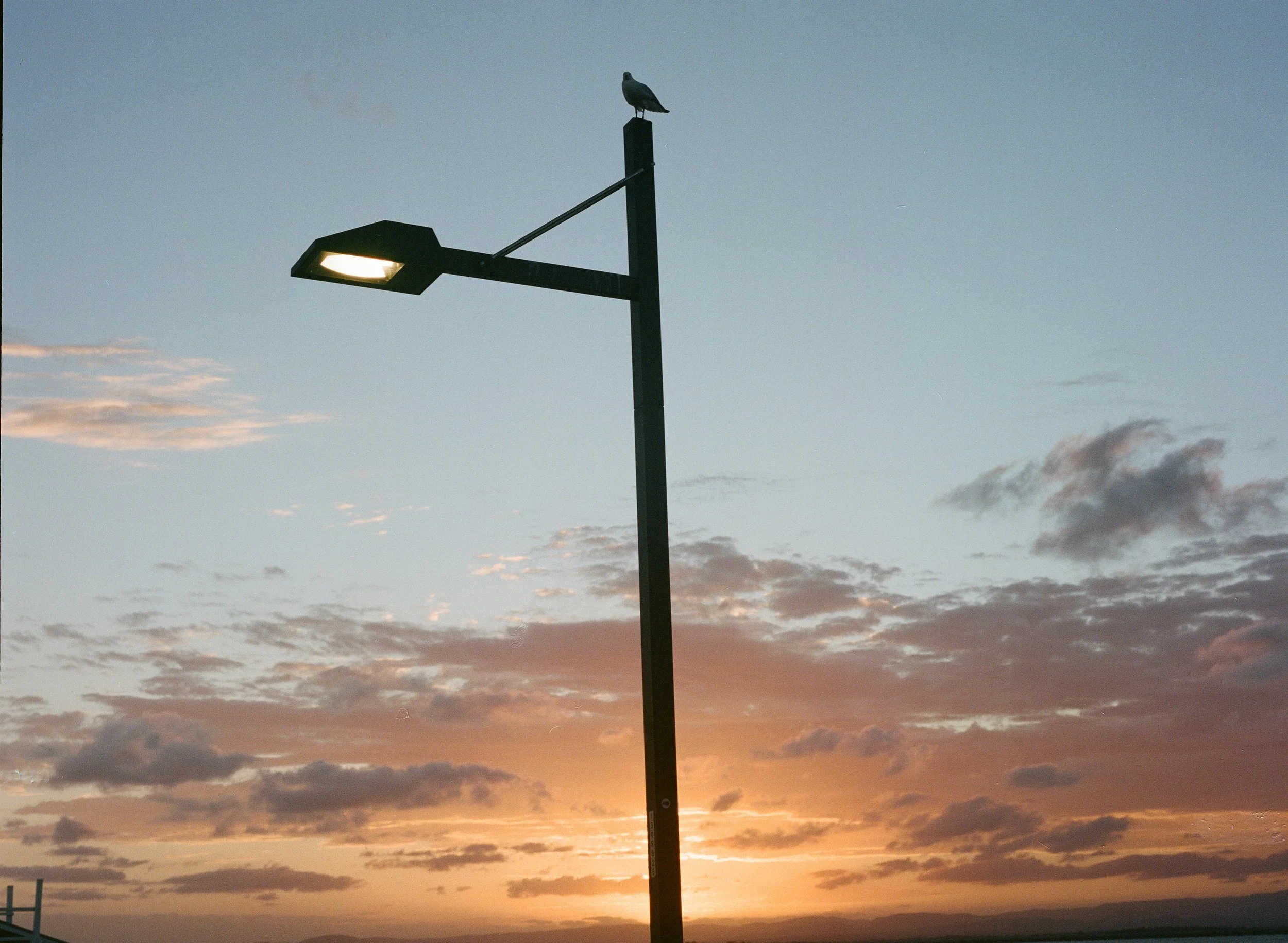
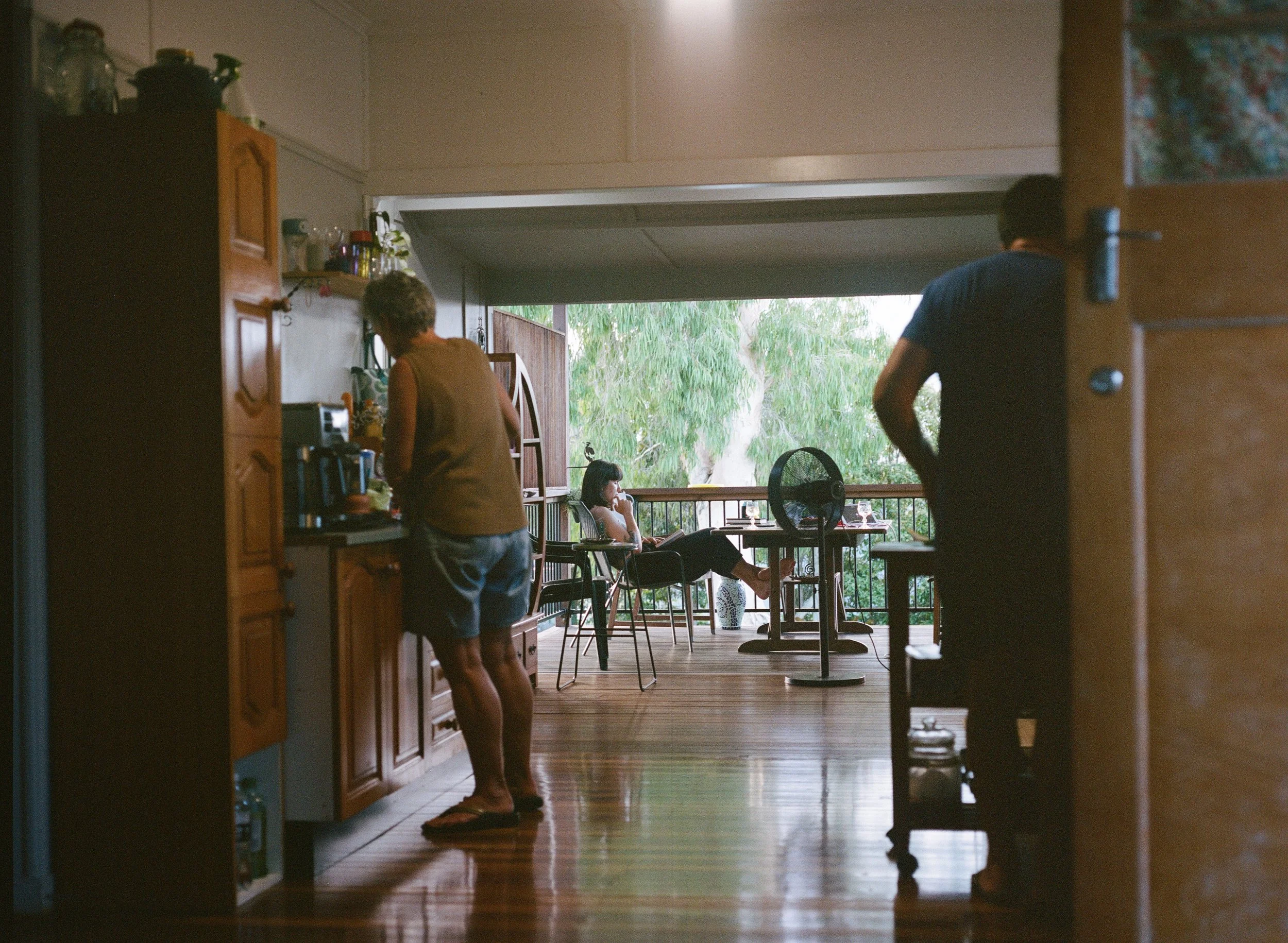
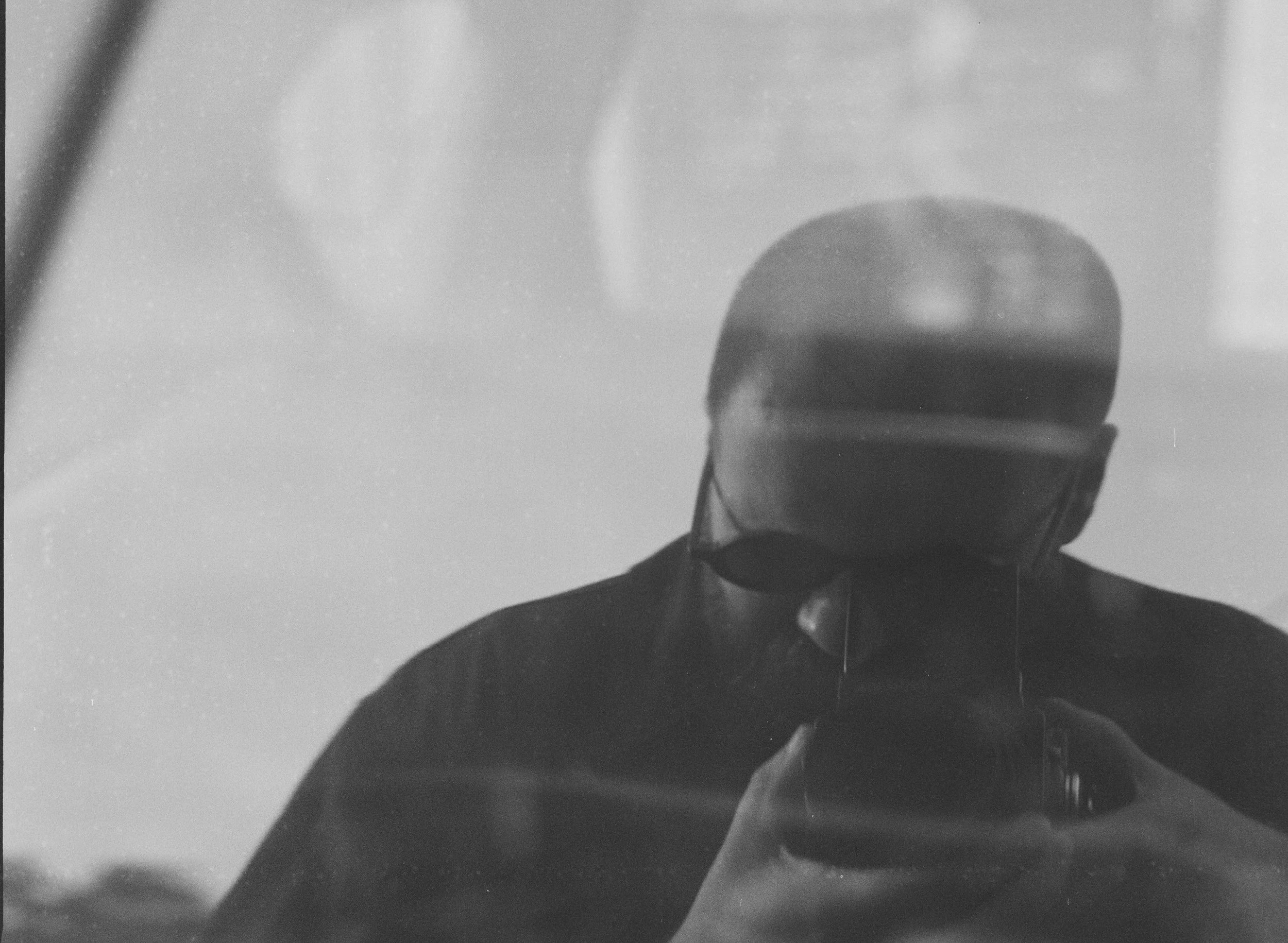
I do really like this camera though. I don’t love it in the same way as the Canon, which suits my way of shooting (a bit slapdash, a bit sporadic and a bit improvisational), but learning how to use it is something that’s helped me become better. It forces you to slow down, and really works best on a tripod, which will slow you down even more. I cranked it out recently to take some snaps for my friend’s band EDISON DOLL and I’m really happy with how it came out.
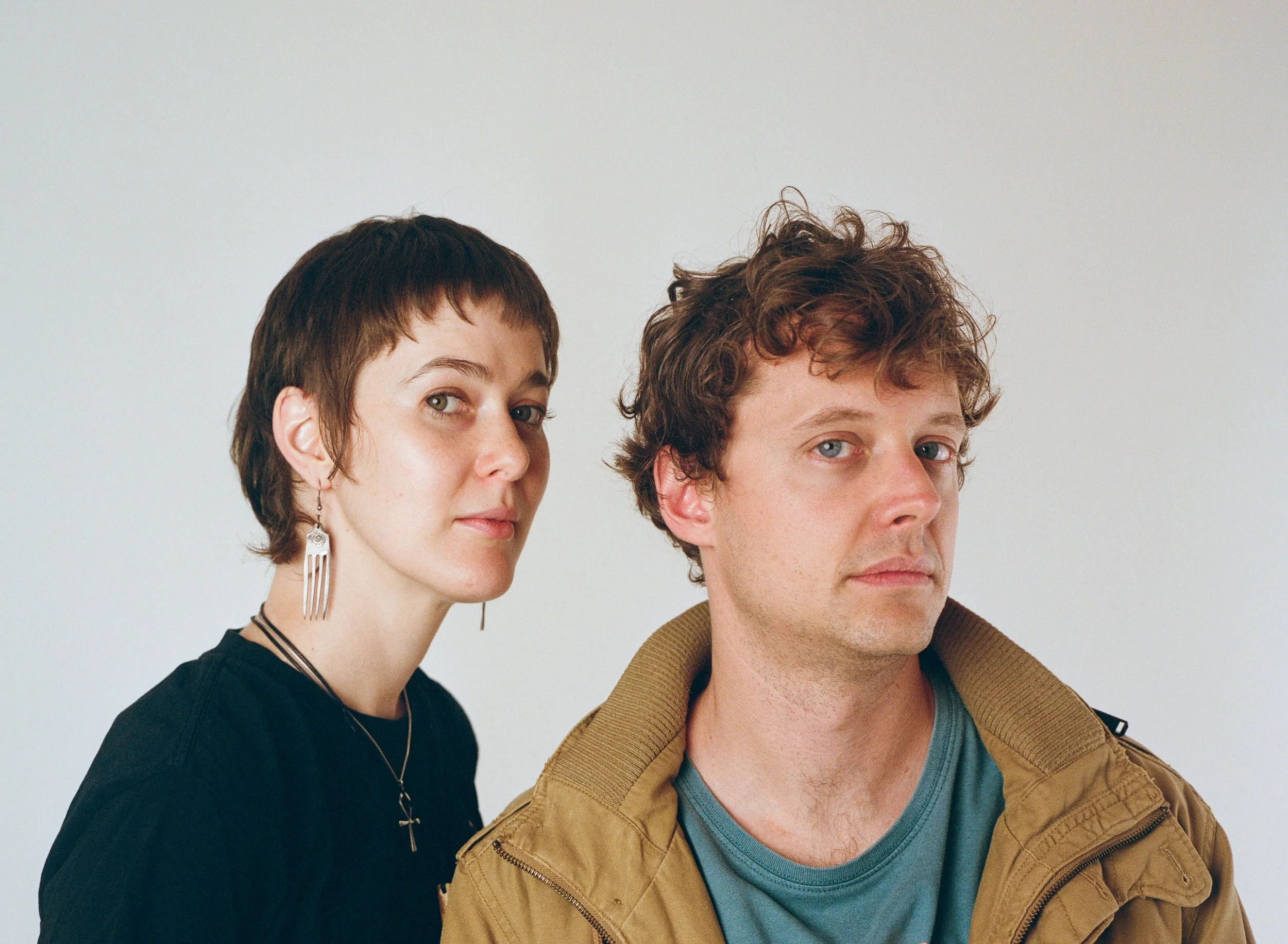
Adele and Bill aka Edison Doll aka people I am friends with
There’s plenty more to ponder on film and the benefits of a personal archive, but my parting words are that anyone can do it (within reason, given what I just said about the price of Portra) and doing it will make you appreciate the photos you take in a way that digital won’t. Photography is for everyone at any stage of life, not just for nerds and dads or hipsters or photojournalists in the Vietnam War. I like film, film looks good, take some photos for yourself and maybe in ten years you will have some insights about how you feel about your own personal photography archive like me. Do it for your future self and not for the instagram algorithm, or whatever we’re using in ten years. My guess is we’ll all go back to personal websites again and I’ll still struggle with the light meter. Unless we’ve transcended beyond self-expression and documentation (possible) and are instead only meditating and communicating via astral projection. Fingers crossed!